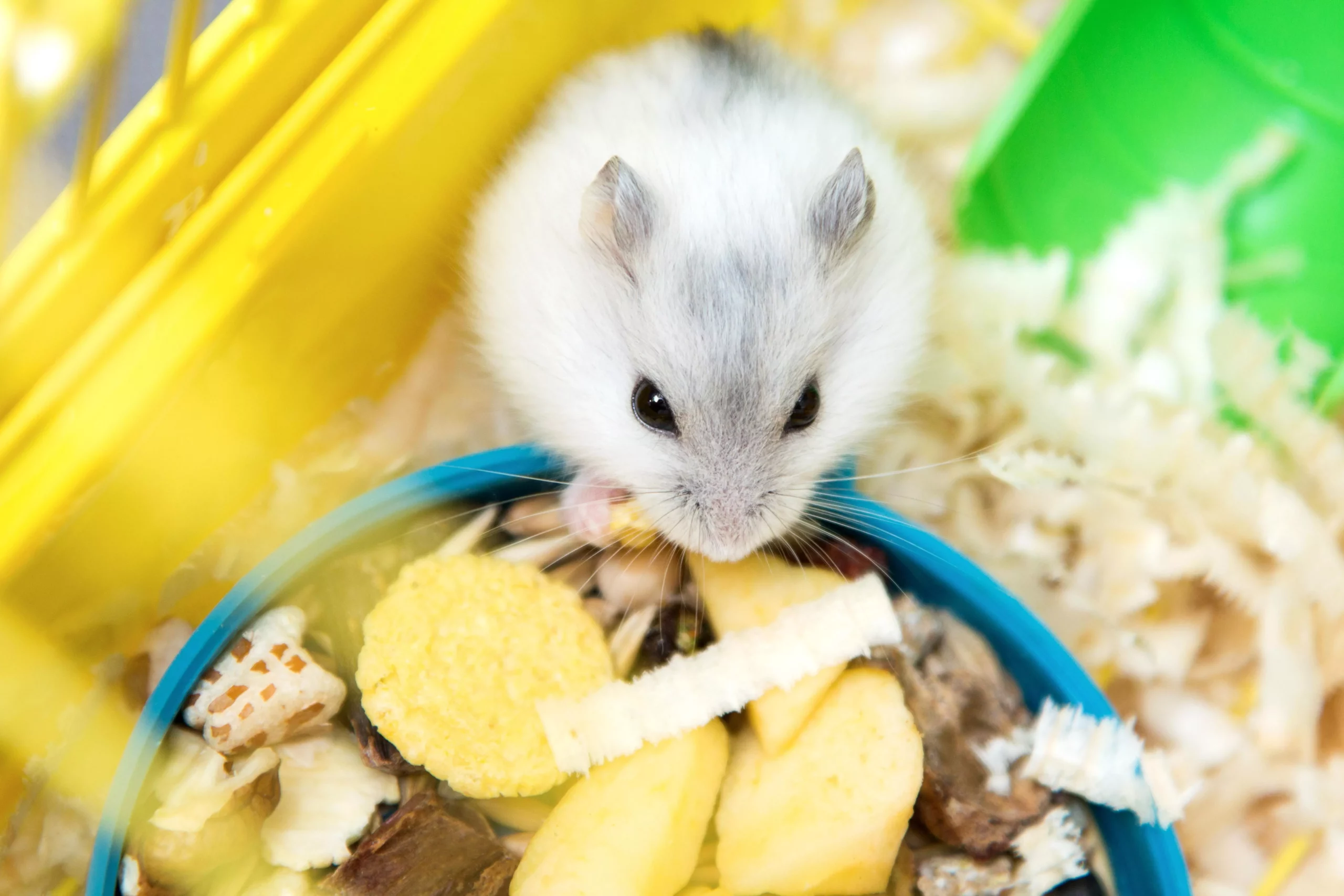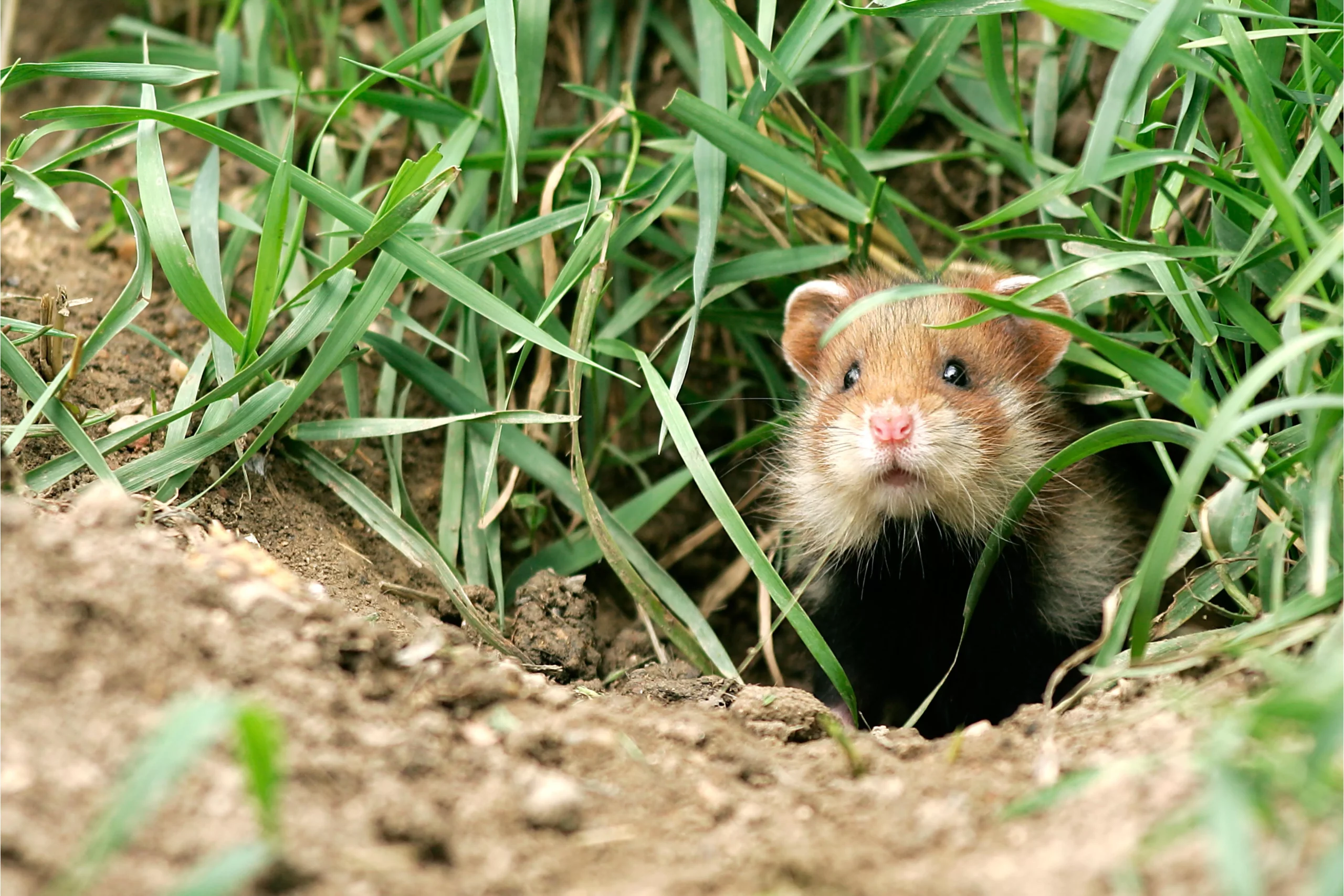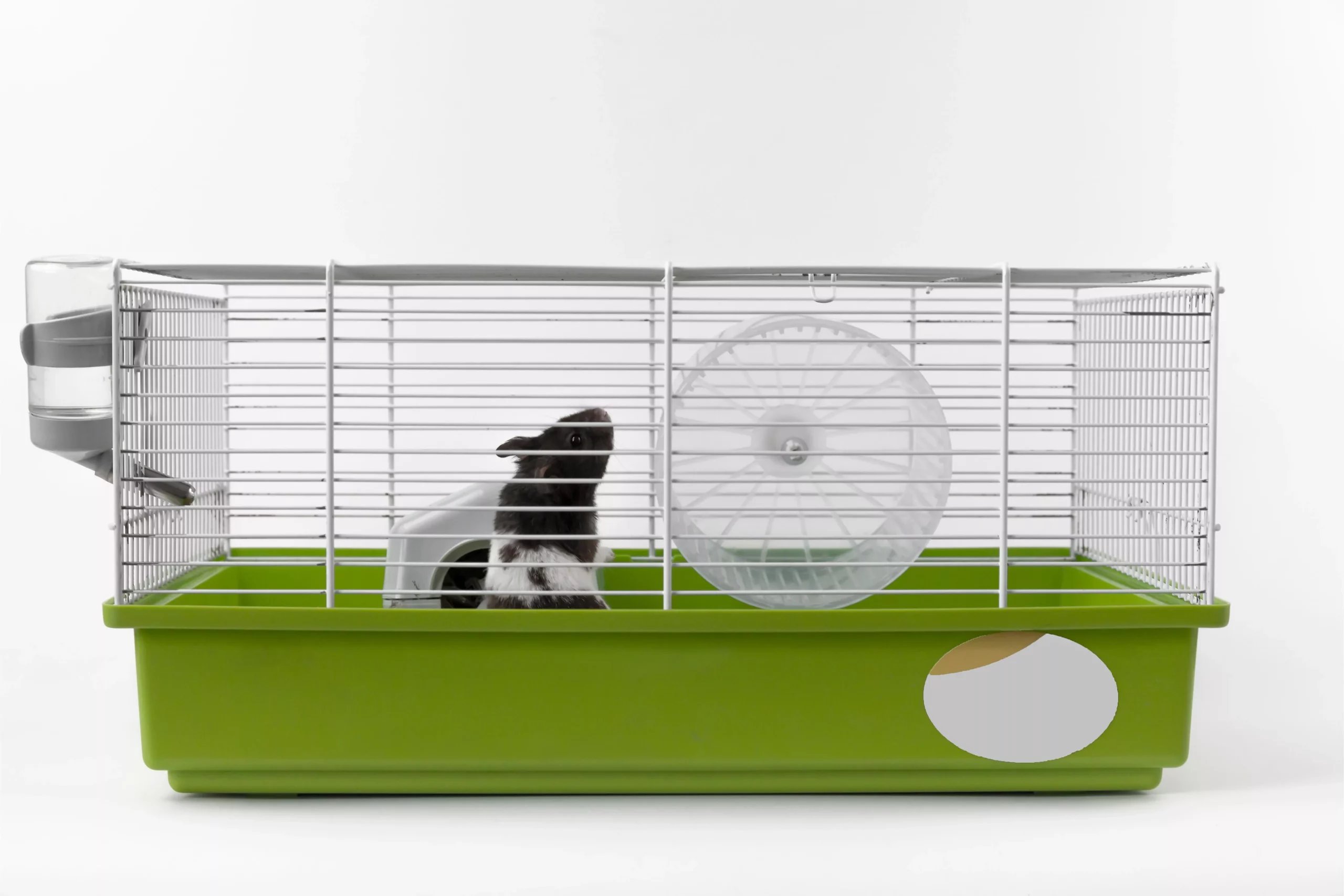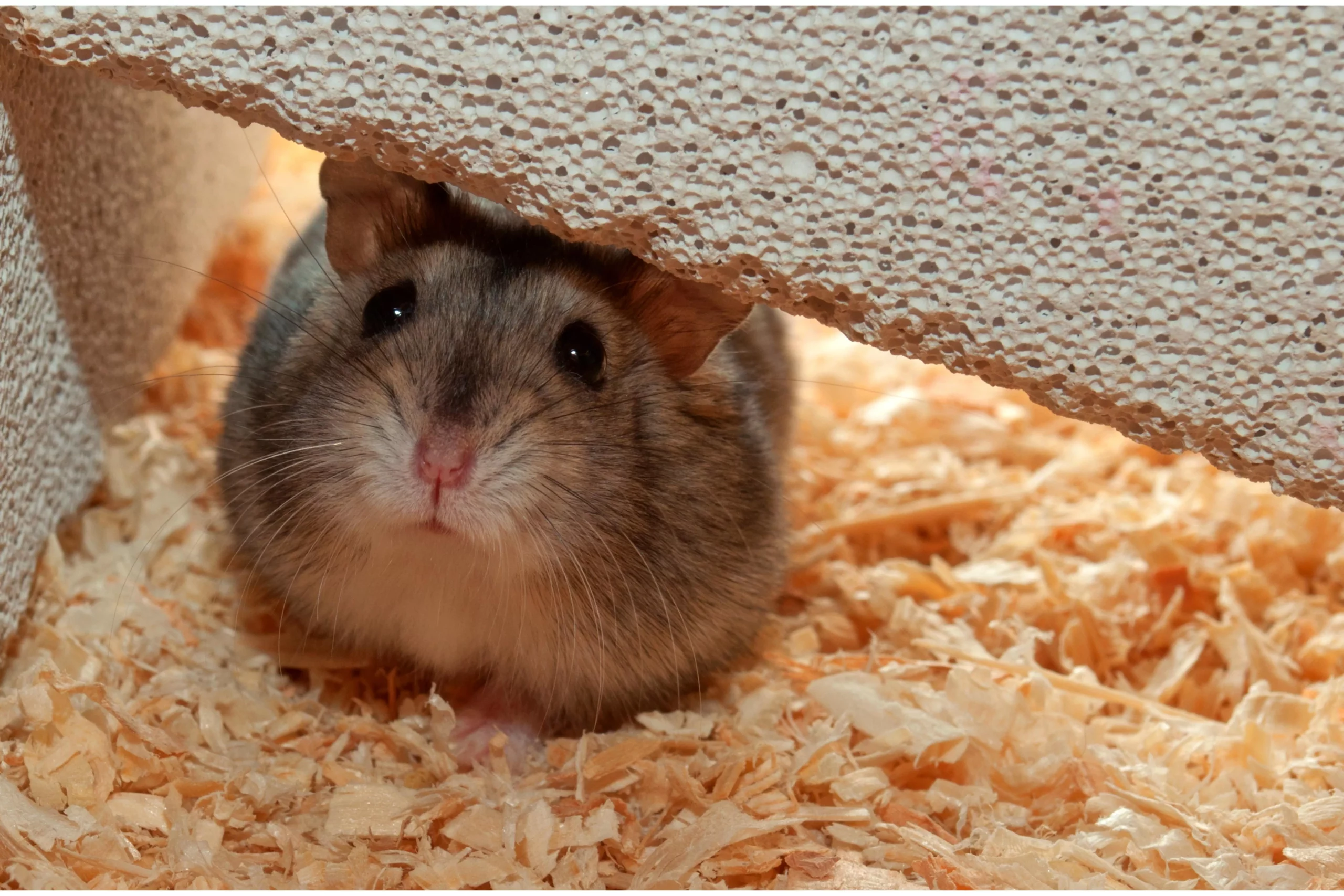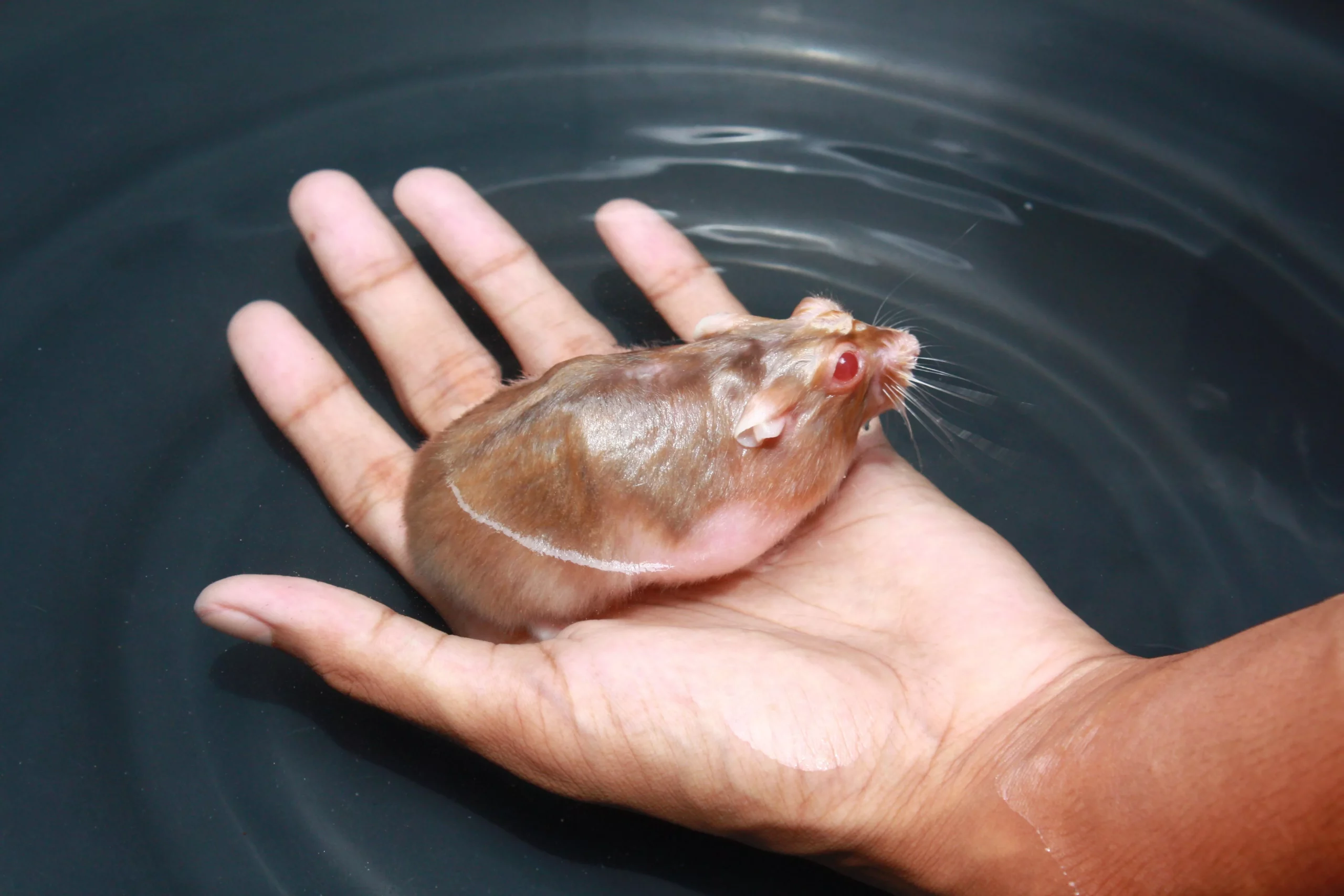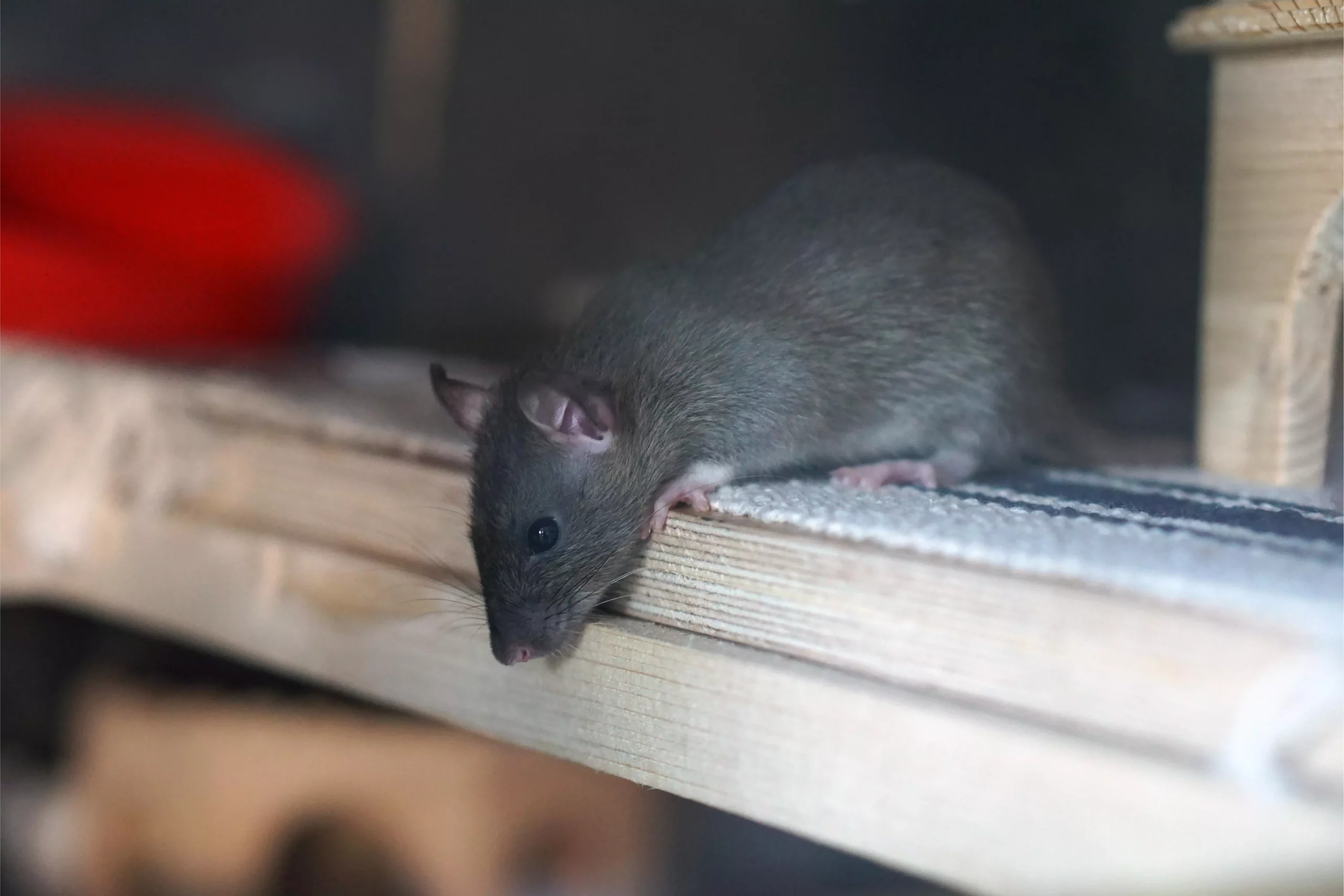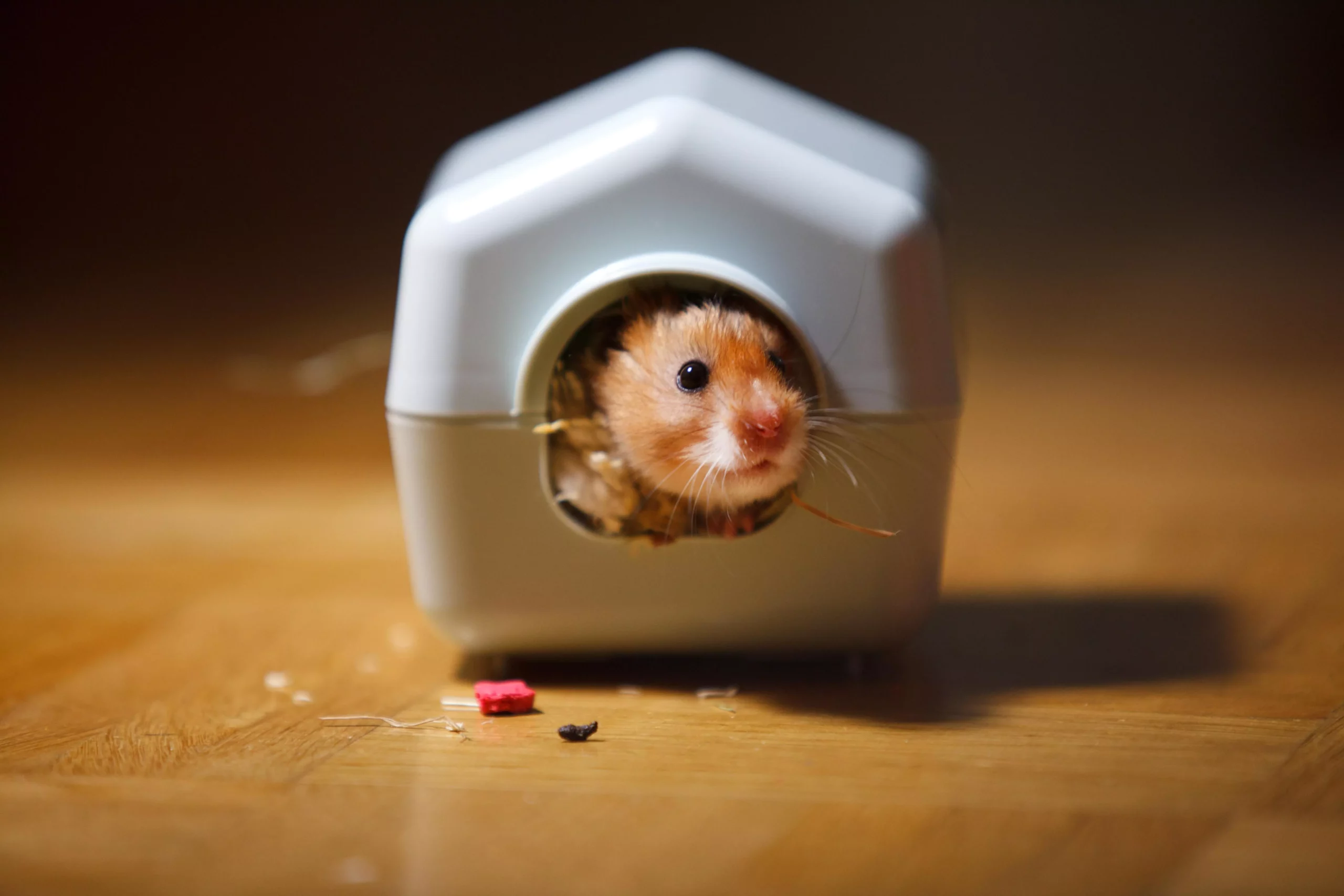

A comfortable hamster is usually a calmer, healthier hamster. This section explains how to keep a hamster safe and content at home. It covers the cage and bedding, light and darkness, household sound, handling and how hamsters fare around other pets. It also answers some of the more unusual questions owners ask, such as whether hamsters like swimming or wearing clothes.
The main sub-topic
Cage and bedding
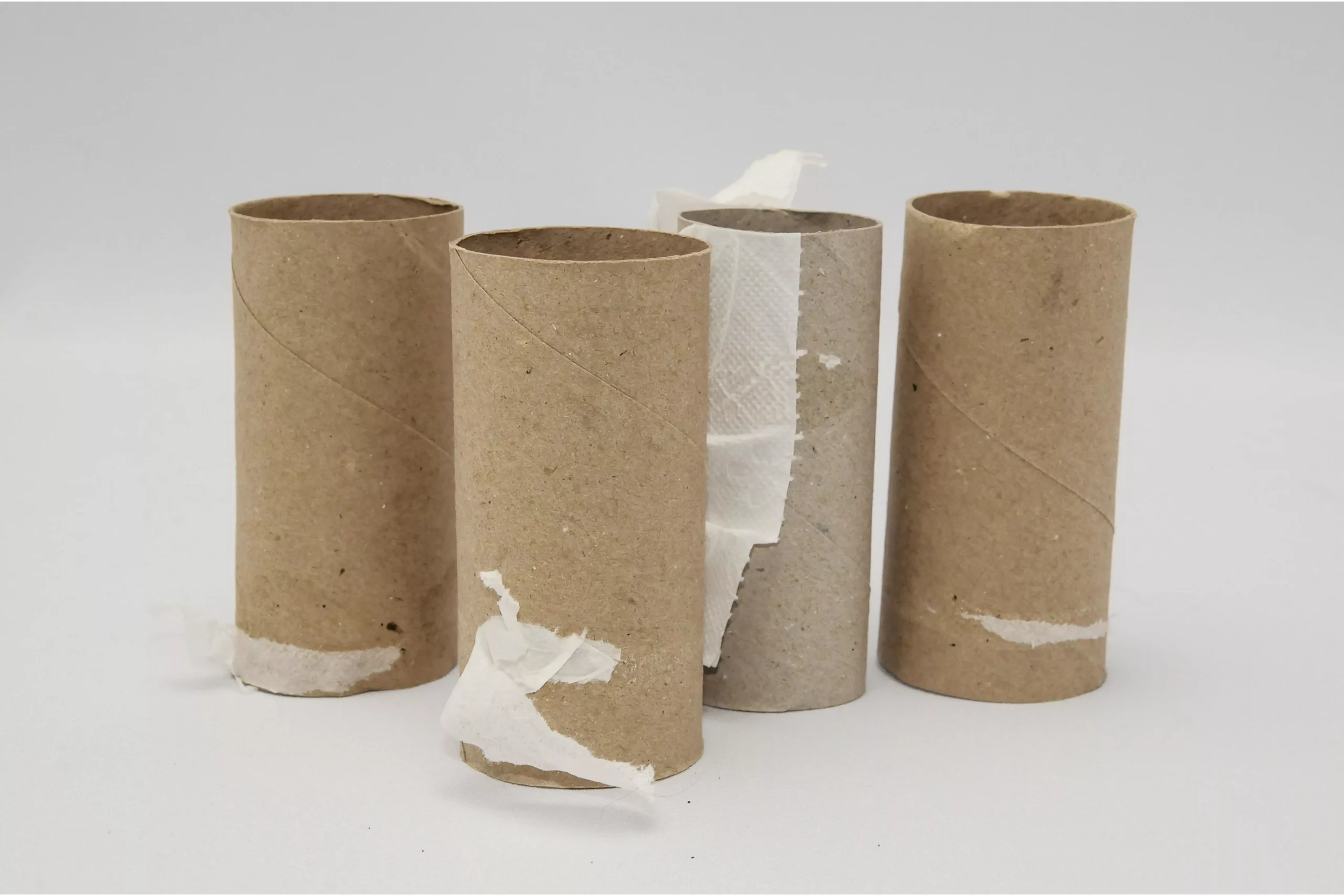
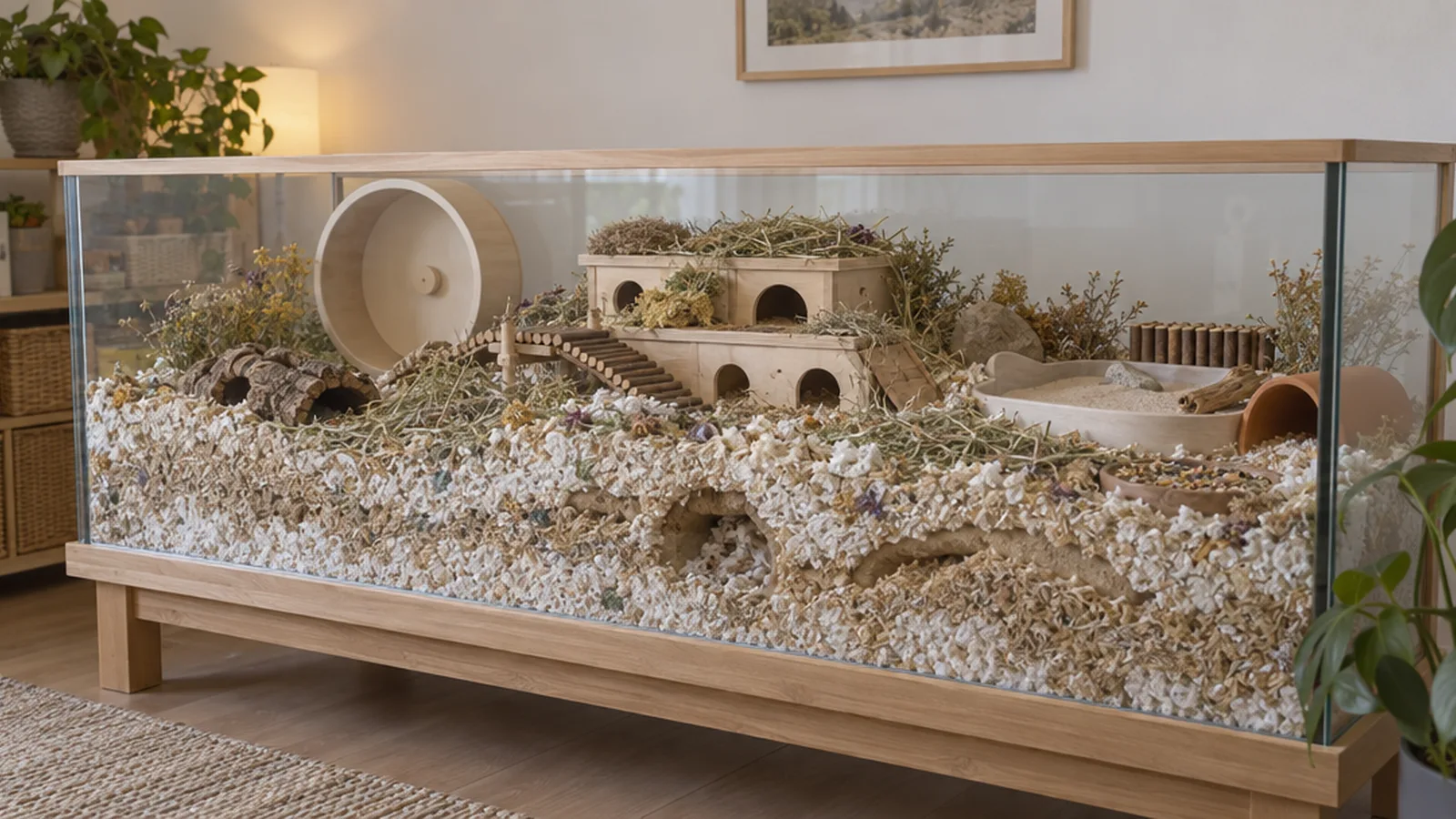
The enclosure is your hamster’s whole world, so most care questions come back to it. This sub-topic covers escape attempts and chewing through plastic or bin cages. It also explains why hamsters eat bedding or pack it into tubes, and which chew items, like plain cardboard tubes, are safe. The aim is a setup that lets a hamster dig, hide, run and chew without getting hurt or getting out.
Comfort beyond the cage
Light and darkness
Hamsters are most active from dusk to dawn and need a dim, quiet place to sleep during the day. Keep the enclosure out of direct sunlight, which can overheat a small animal quickly. A natural day and night rhythm in the room is usually better than special lighting.
Sound and household noise
Hamsters have sensitive hearing. A spot away from loud televisions, speakers, slamming doors and busy hallways helps them rest. That’s worth keeping in mind before you play music near the cage.
Handling with patience
Let a new hamster settle in before handling it, and approach slowly with a flat, open hand. Keep sessions short and low to the ground so a sudden jump doesn’t become a fall. Children should handle hamsters while sitting down and with an adult nearby.
Other pets
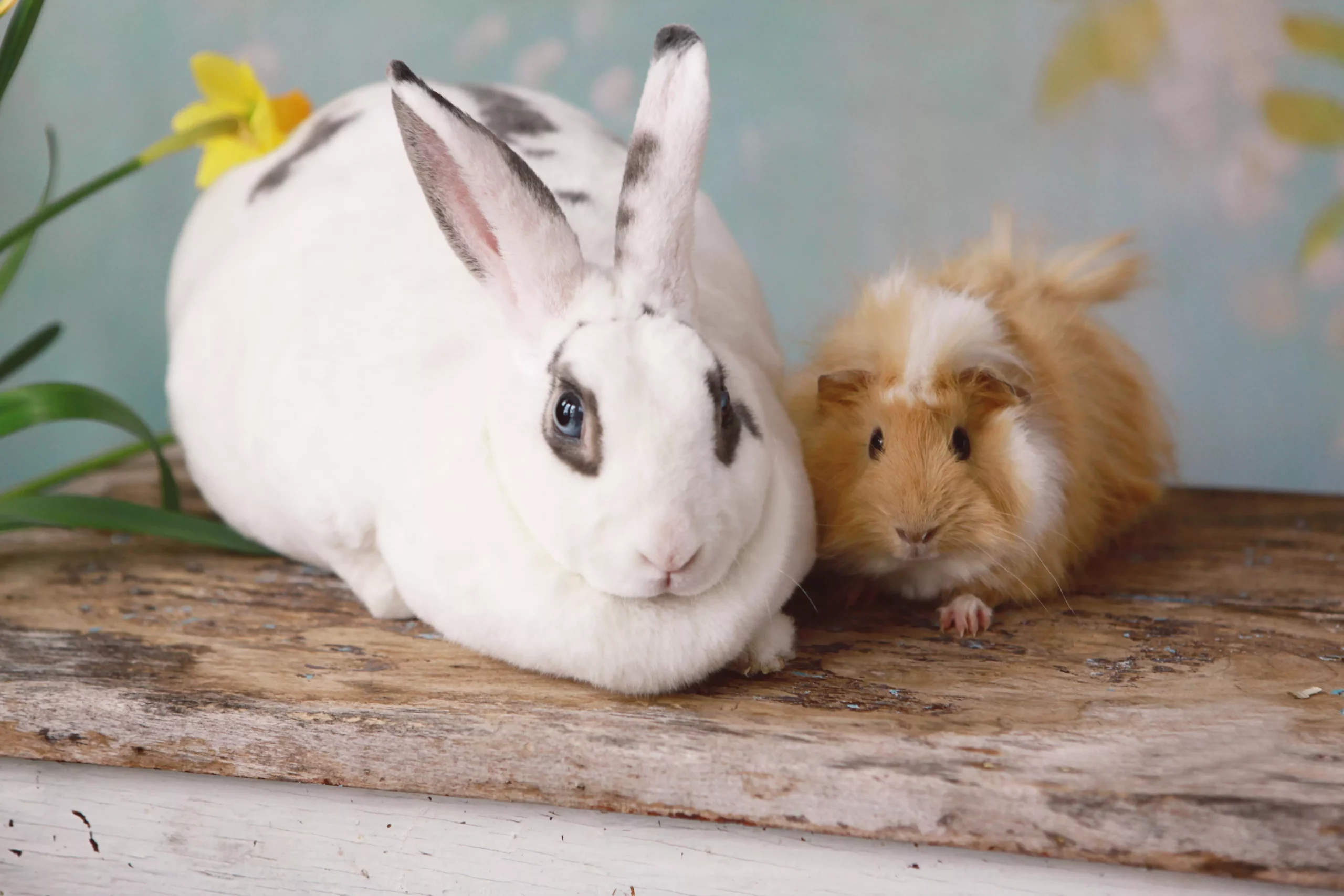
Hamsters are prey animals, and cats, dogs, rabbits, guinea pigs and even curious ferrets can frighten or injure them. This section explains why hamsters shouldn’t share space with other species. It also covers how to keep a shared home calm and safe, including keeping food stored so it doesn’t attract wild rodents.
Safety basics worth remembering
Hamsters can’t regulate their temperature as well as we can, so avoid drafts, radiators and hot windowsills. They shouldn’t be bathed in water or put in water to swim. A sand bath lets them clean themselves. Syrians must live alone as adults.
If a care problem comes with signs of illness, such as lethargy, not eating or breathing trouble, please contact an exotic-animal veterinarian. The Health section can help you work out what to observe.