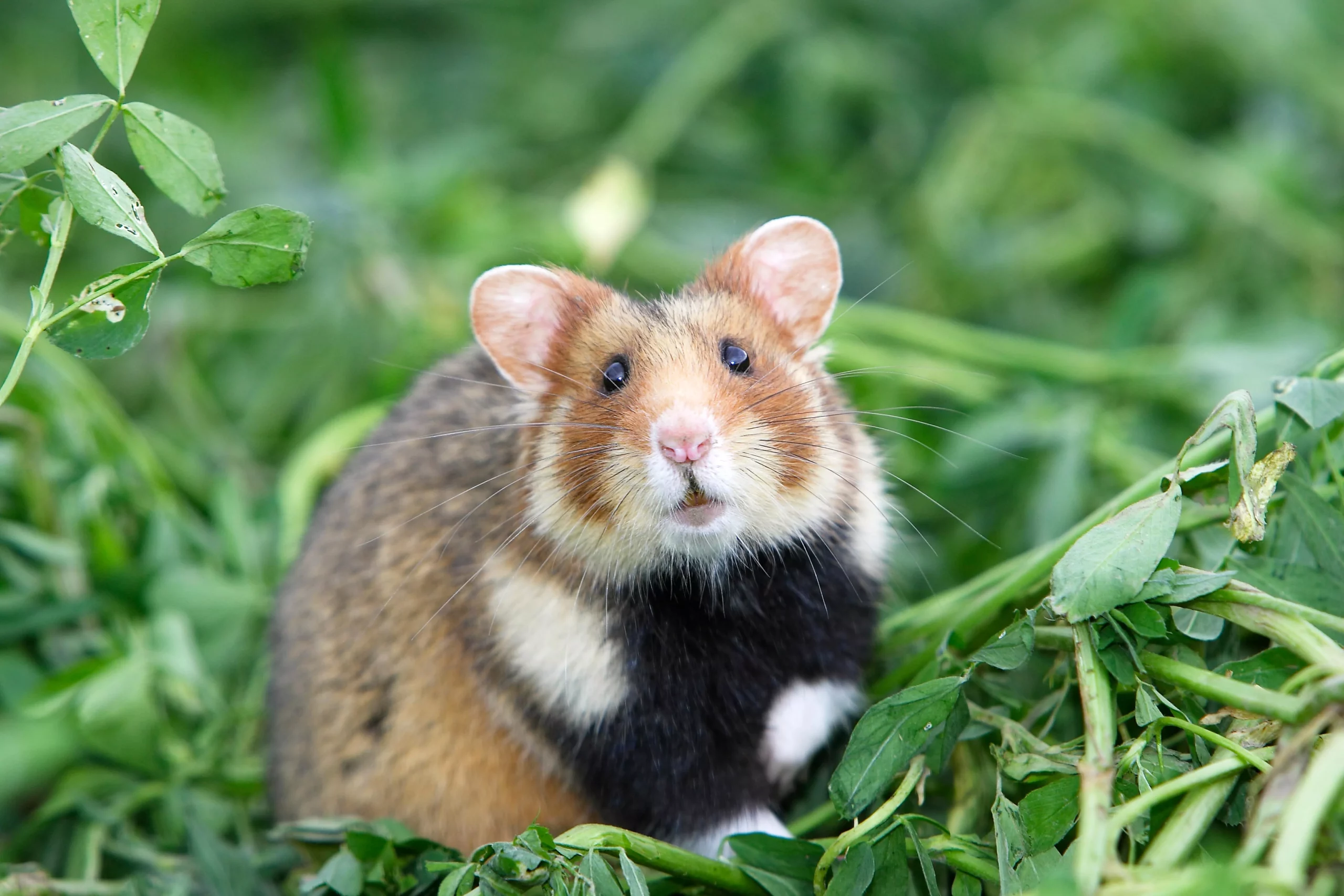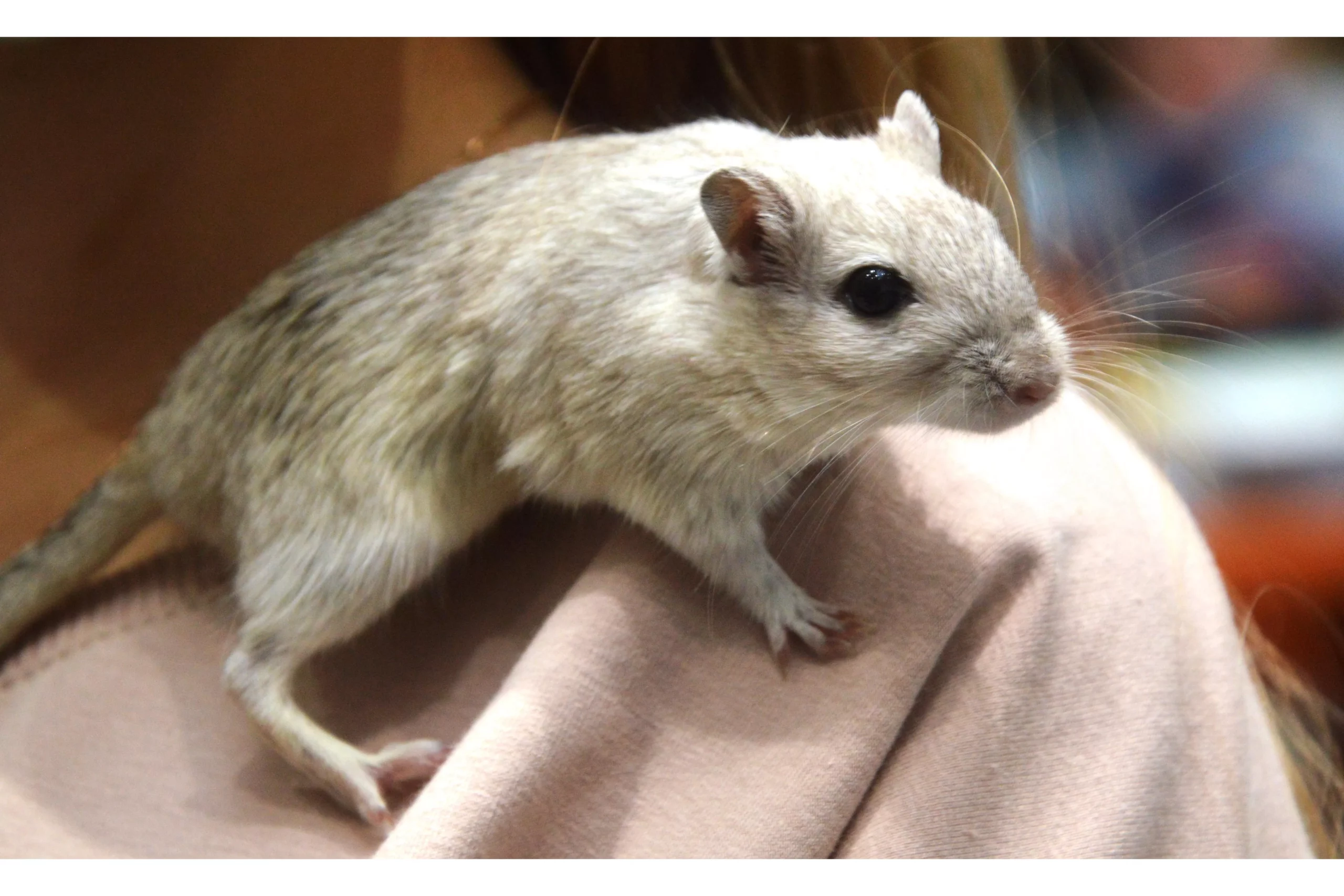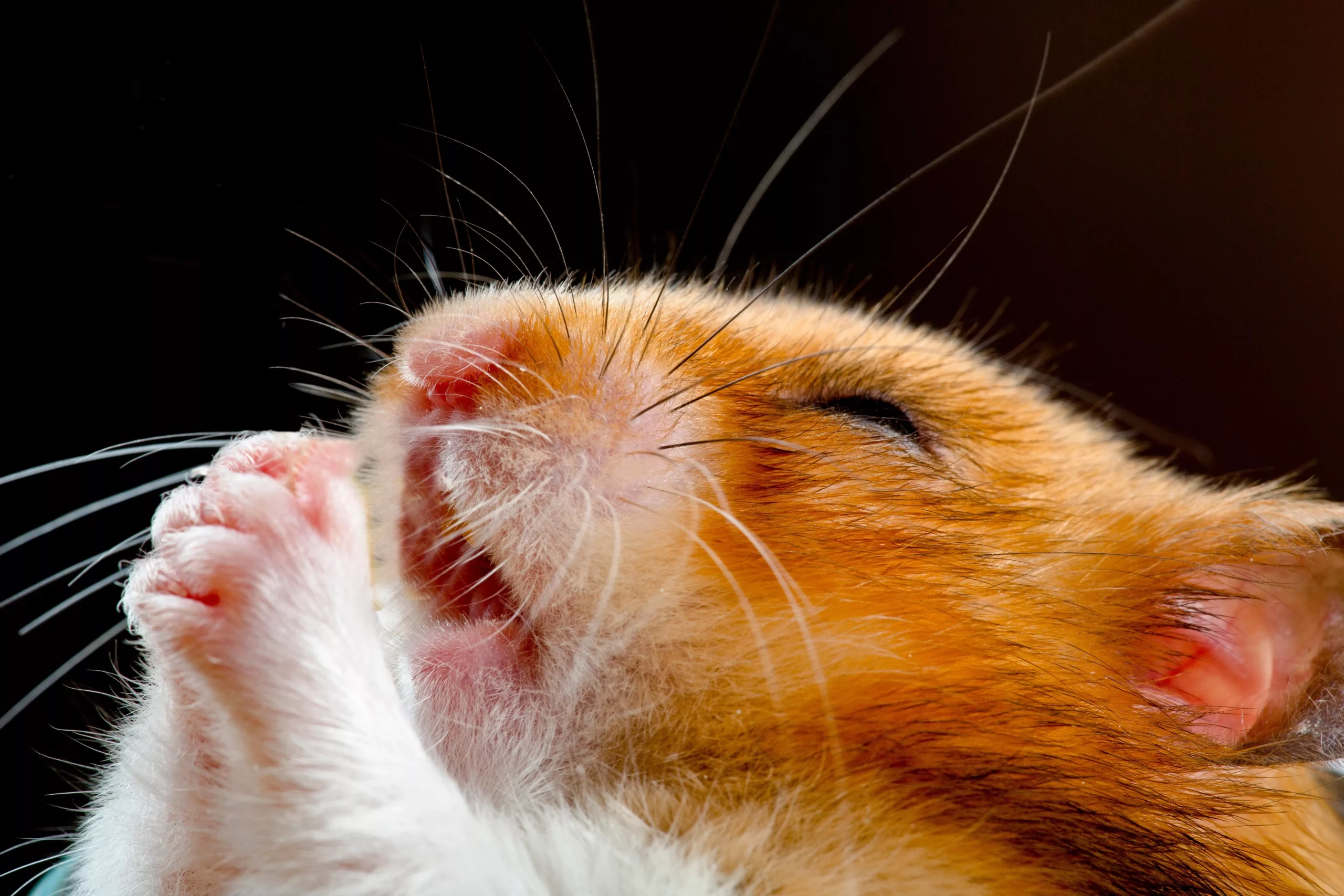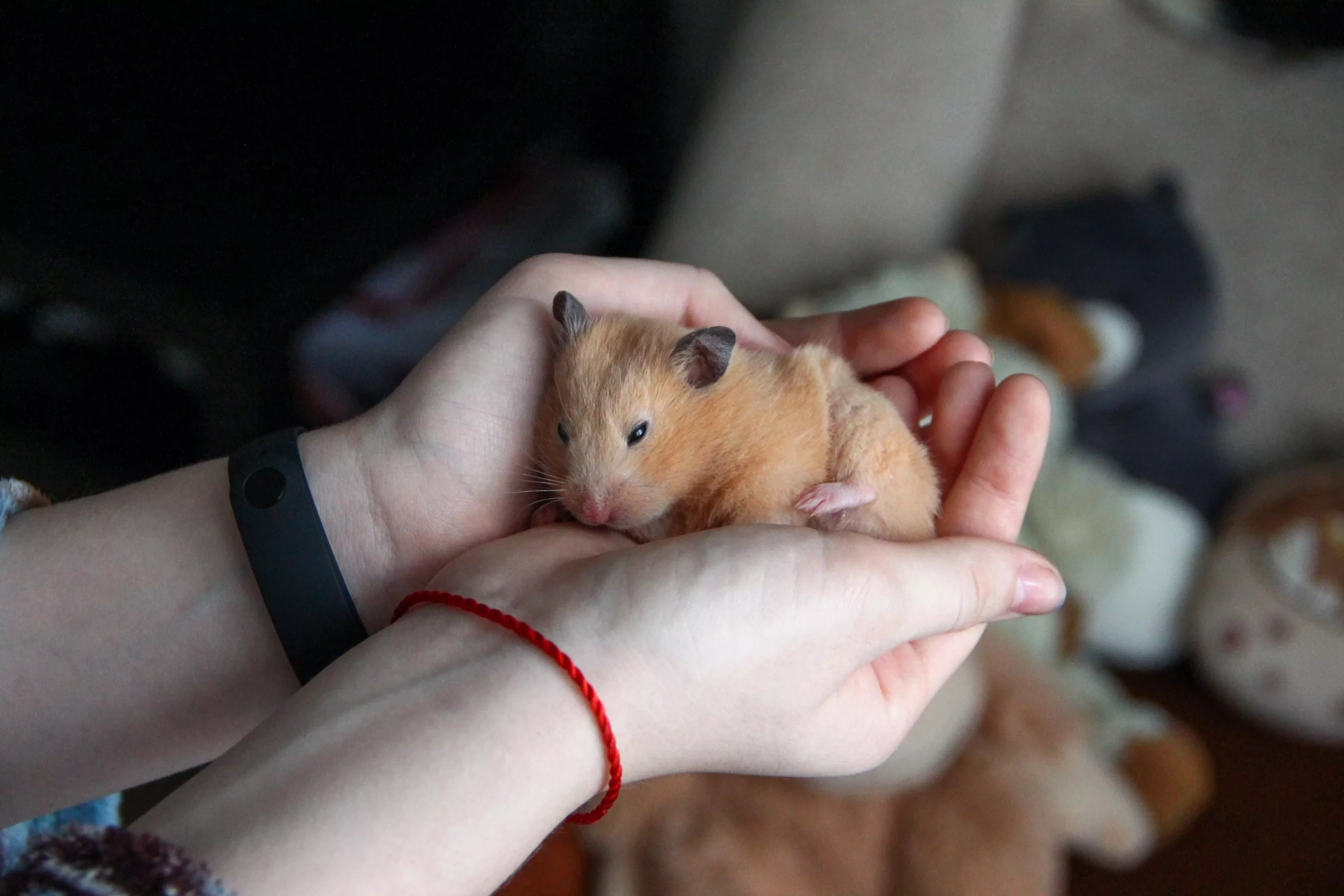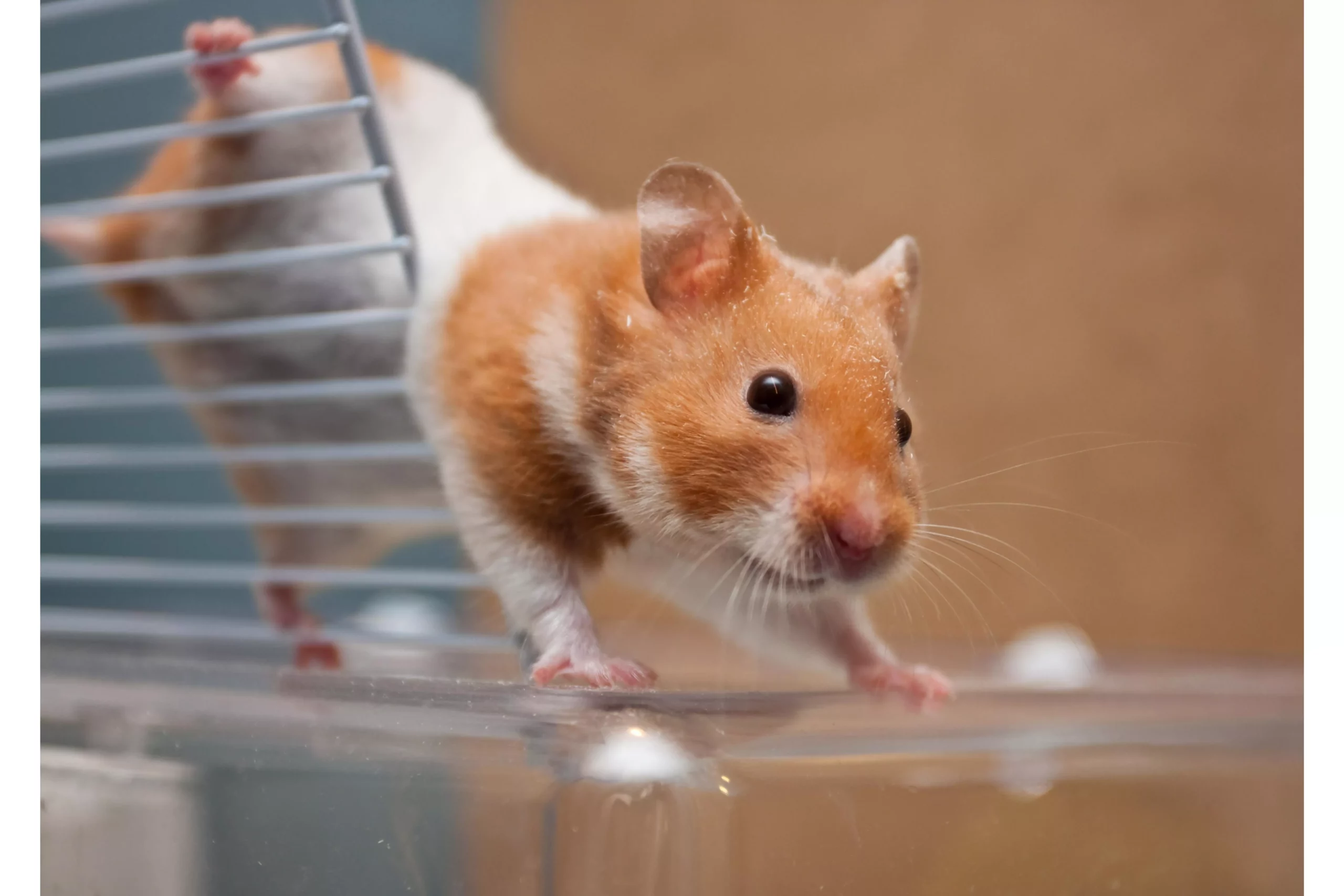


Understanding how a hamster’s body works makes a lot of its behavior, and many care advice rules, suddenly make sense. This section explains hamster anatomy in plain language. It covers the skeleton, the paws, the short tail, female reproductive cycles, and the senses a hamster uses to find its way in a world it mostly experiences at night.
The main sub-topic
Senses
Hamsters experience the world very differently from us. This sub-topic explains how well hamsters see and whether they can tell colors apart. It also explains what their eyelids and whiskers do, how sensitive their hearing is and whether loud noise can harm them. It covers how to tell when a hamster might not be hearing well. In general, hamsters rely heavily on smell, hearing and touch, and much less on sharp eyesight.
A quick tour of the hamster body
Teeth and cheek pouches
A hamster’s front teeth grow throughout its life and are kept in check by gnawing. That’s why safe chew items matter. Stretchy cheek pouches let a hamster carry food back to its nest, which explains a lot of hoarding and some puzzling food-spitting.
Paws and tail
Hamster front paws are remarkably nimble for holding food and digging. The tail is short and often hidden in fur, and how visible it is varies between species. The guides here explain what owners are actually seeing when they look closely.
Bones and body shape
A hamster’s small, flexible body lets it squeeze through surprisingly narrow gaps. This is one reason bar spacing and secure lids matter so much. The same small frame means that a fall from even a modest height can cause serious injury.
Reproduction
Female hamsters have a short, repeating reproductive cycle that works differently from a human period. Owners sometimes notice signs of it and worry. This section explains what is typical and what isn’t, without getting into breeding.
Why anatomy helps everyday care
Knowing how your hamster’s body works makes it easier to spot when something has changed. That could be a cloudy or bulging eye, overgrown teeth, a swelling or a sudden loss of balance. These guides are general information, not veterinary advice. If you notice a physical change that worries you, please contact an exotic-animal veterinarian, and see the Health section for what to observe in the meantime.