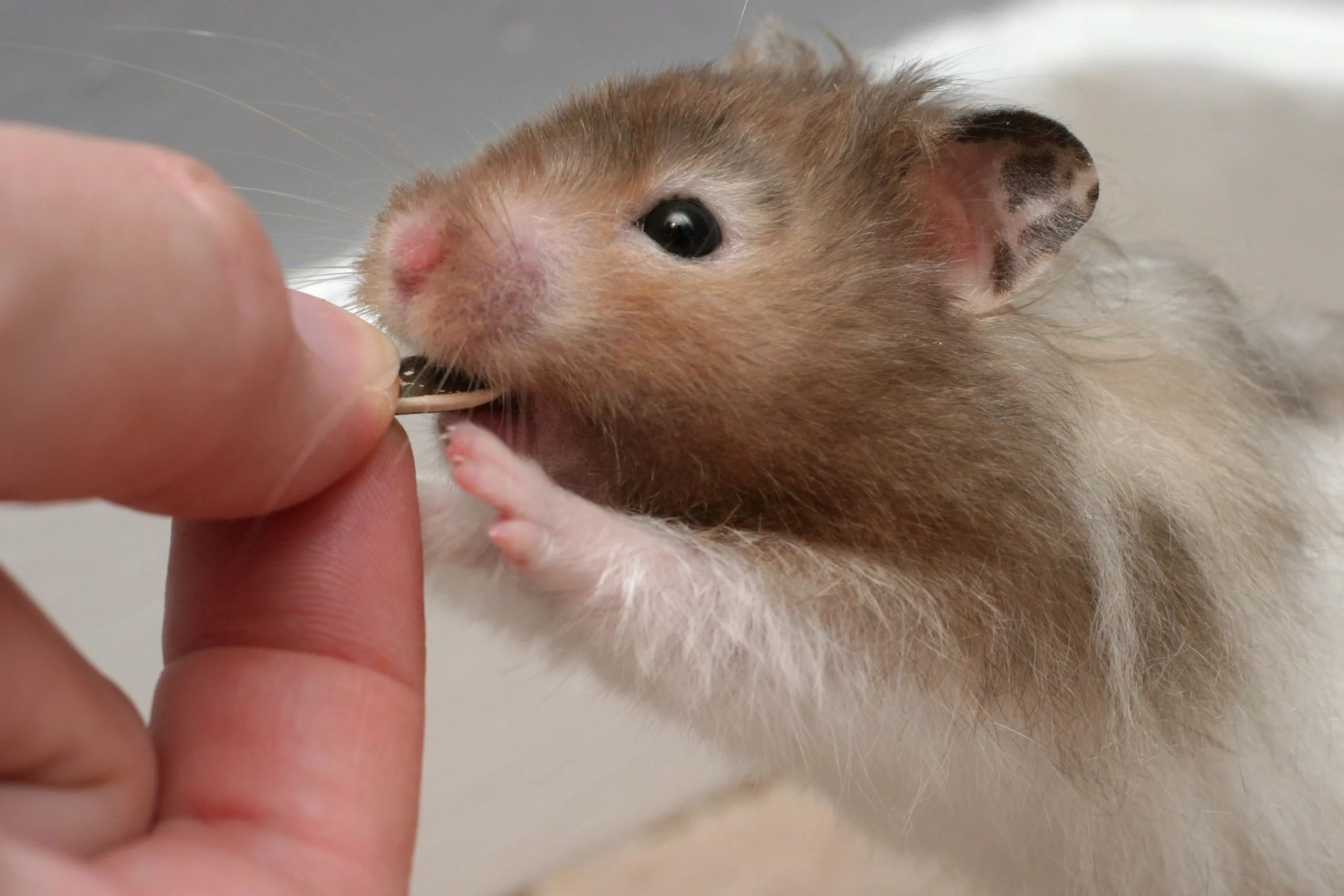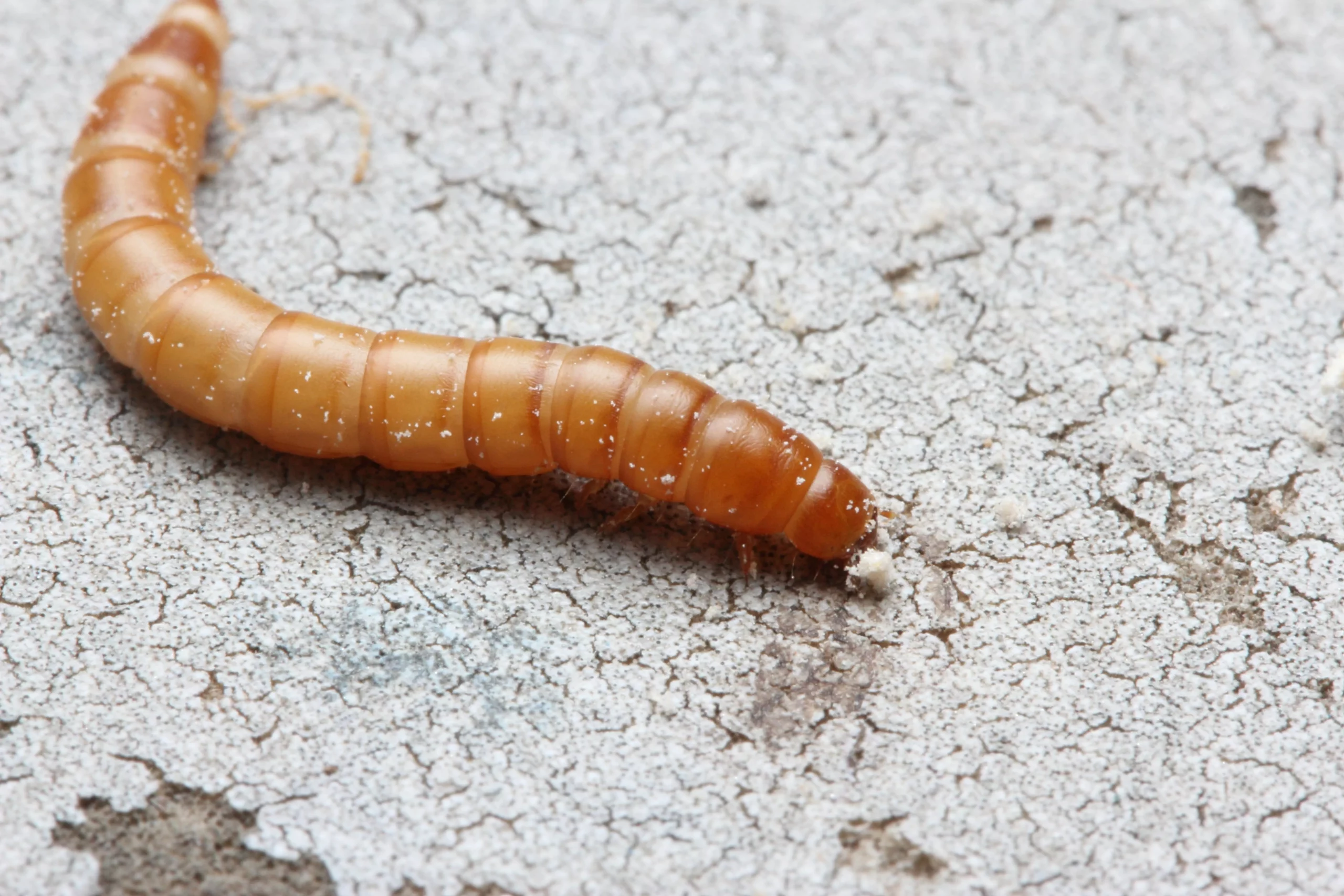

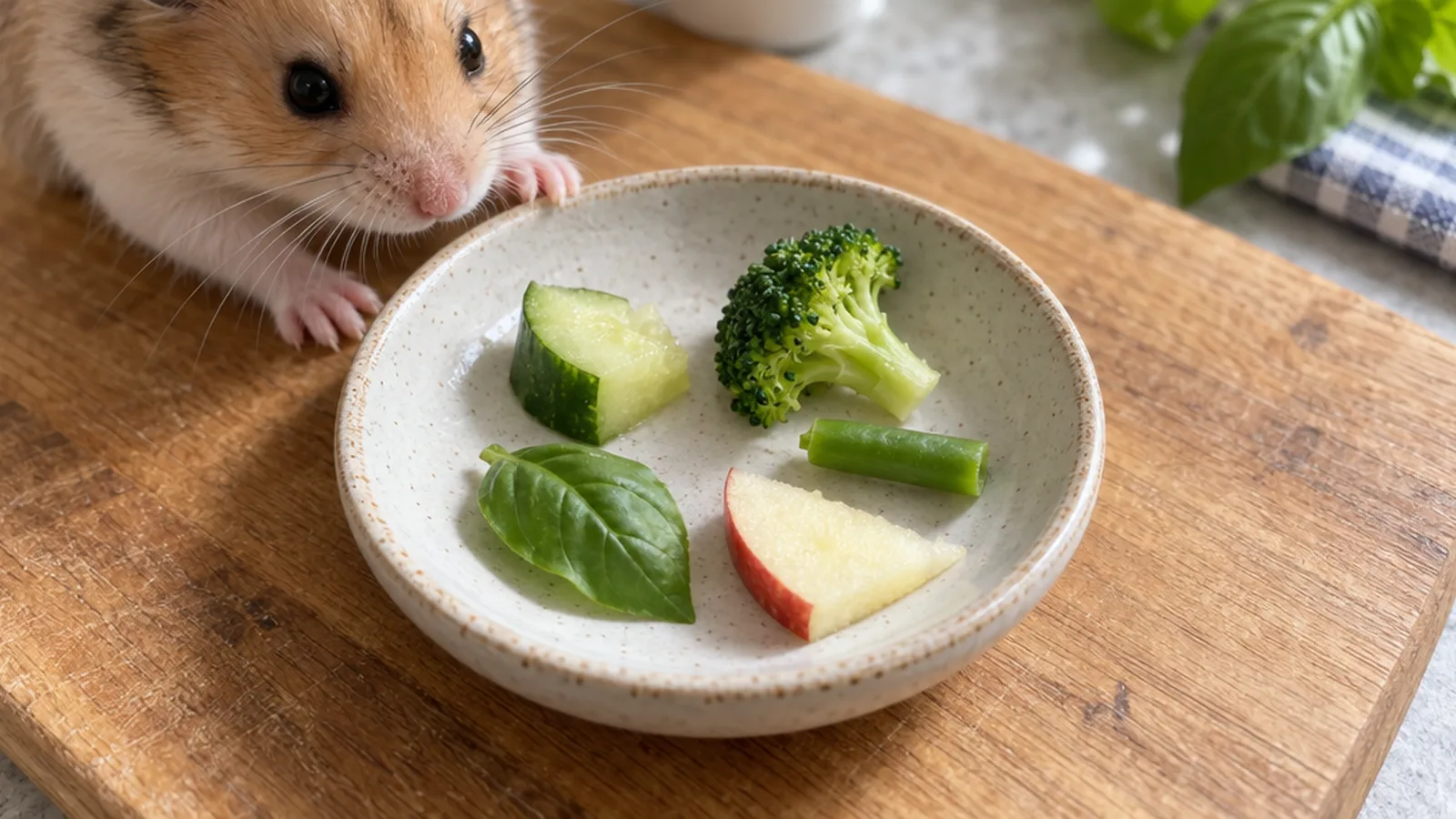
Food questions are some of the most common questions hamster owners ask. They usually come up in the kitchen, with a piece of fruit in one hand and a curious hamster nearby. This section explains which foods hamsters can and can’t eat, how much to serve and how to introduce something new without upsetting a small digestive system. It also covers questions about protein treats like mealworms, other pets’ food and human snacks that look tempting but don’t belong in a hamster’s dish.
The main sub-topic
Fruits and vegetables
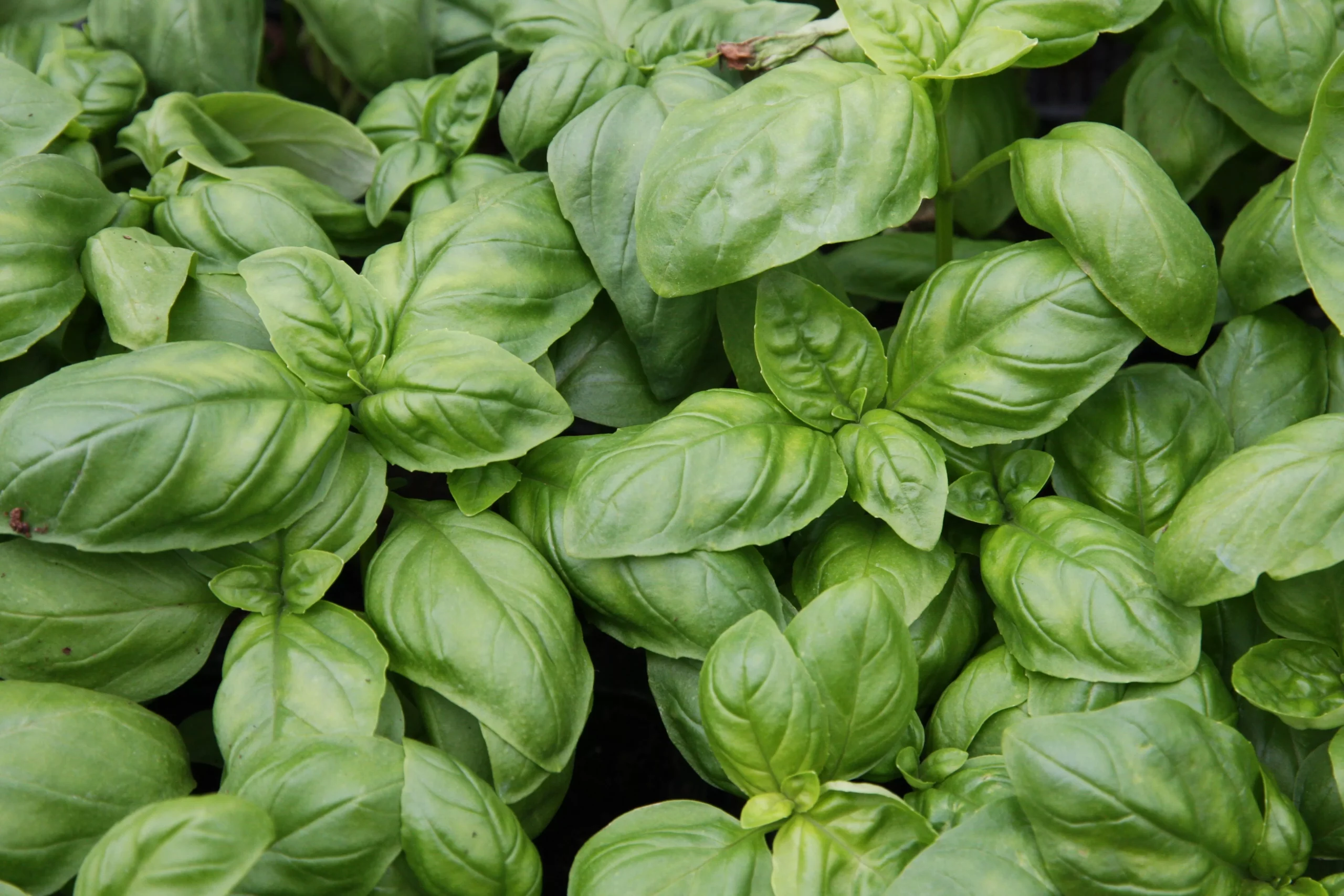
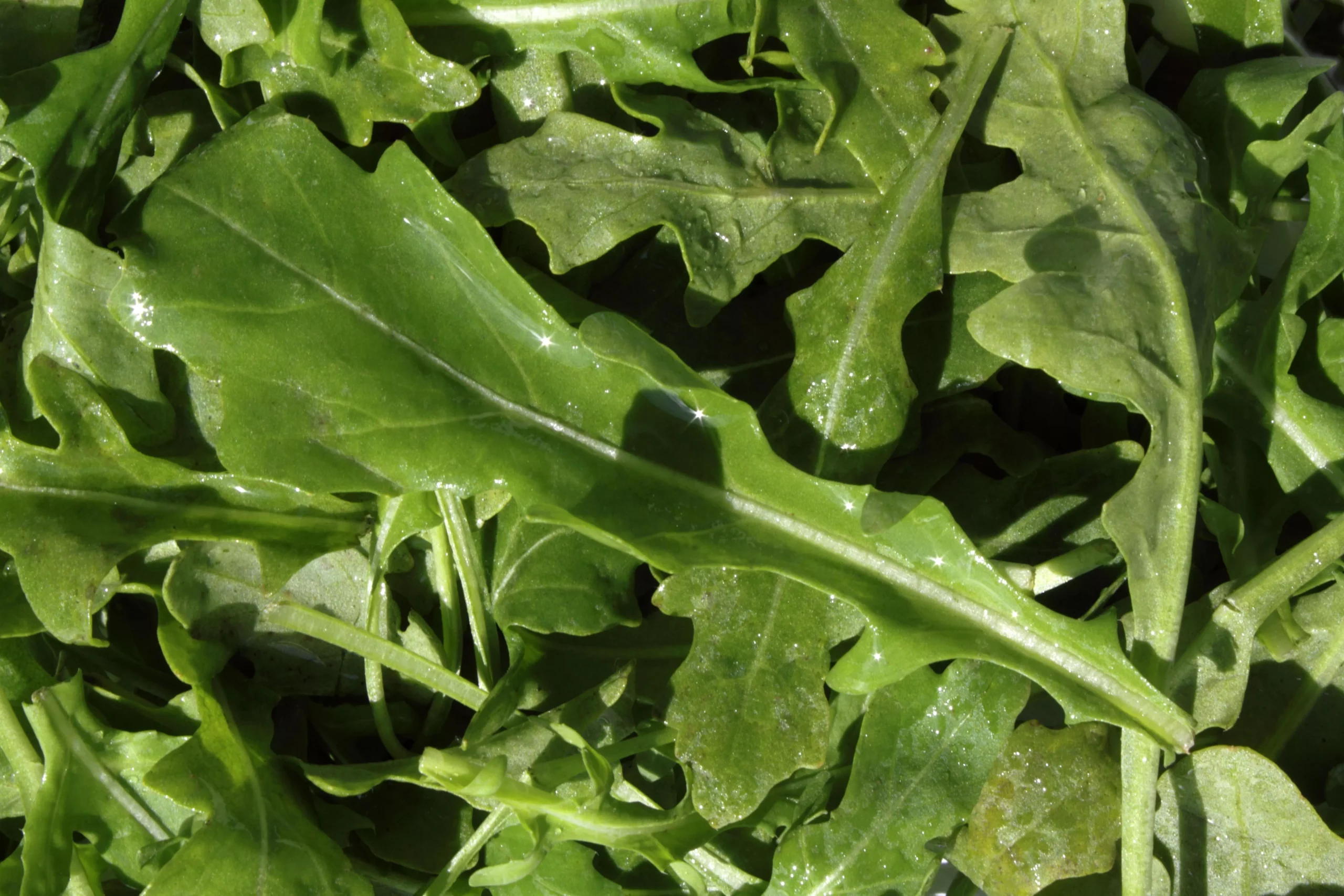
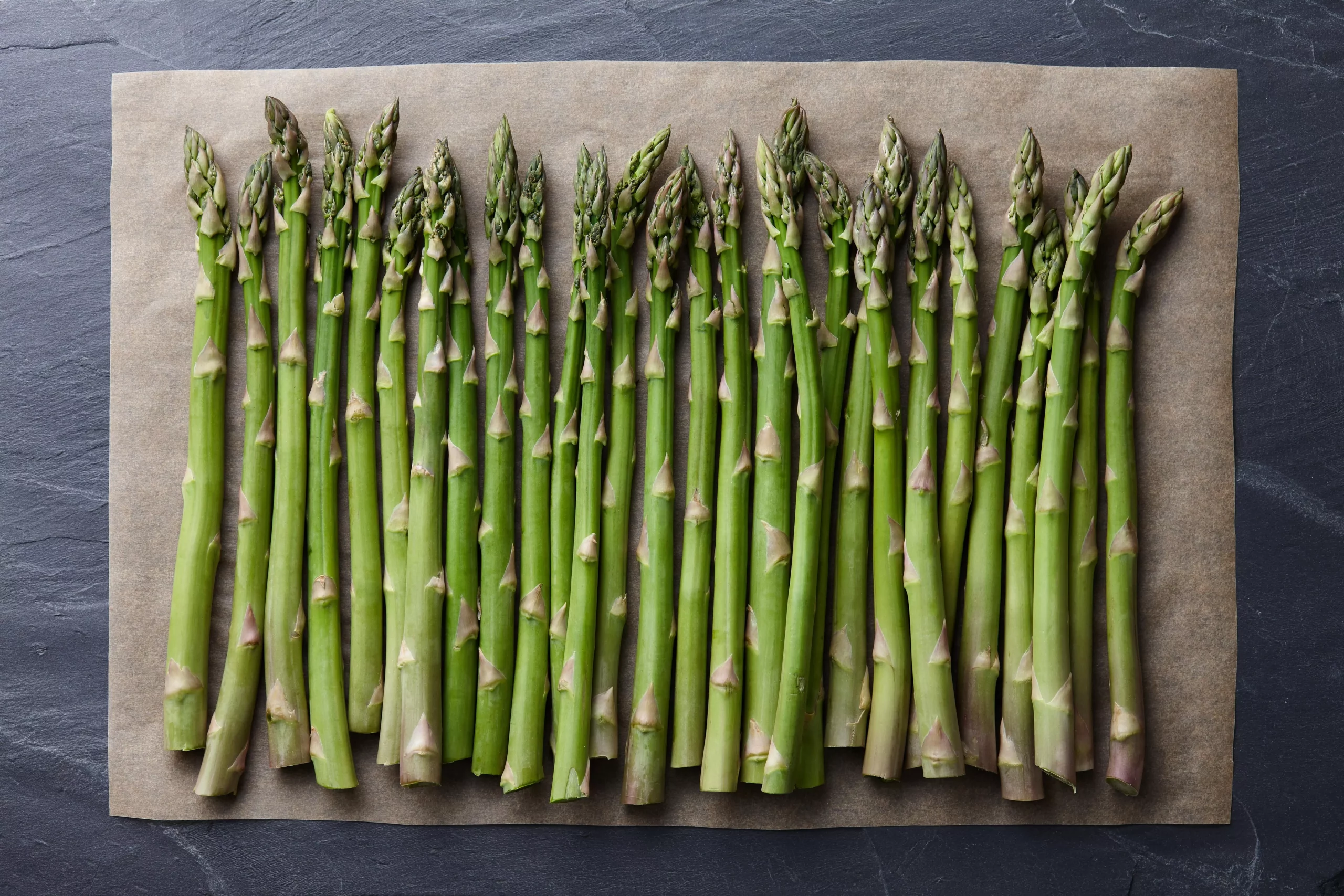
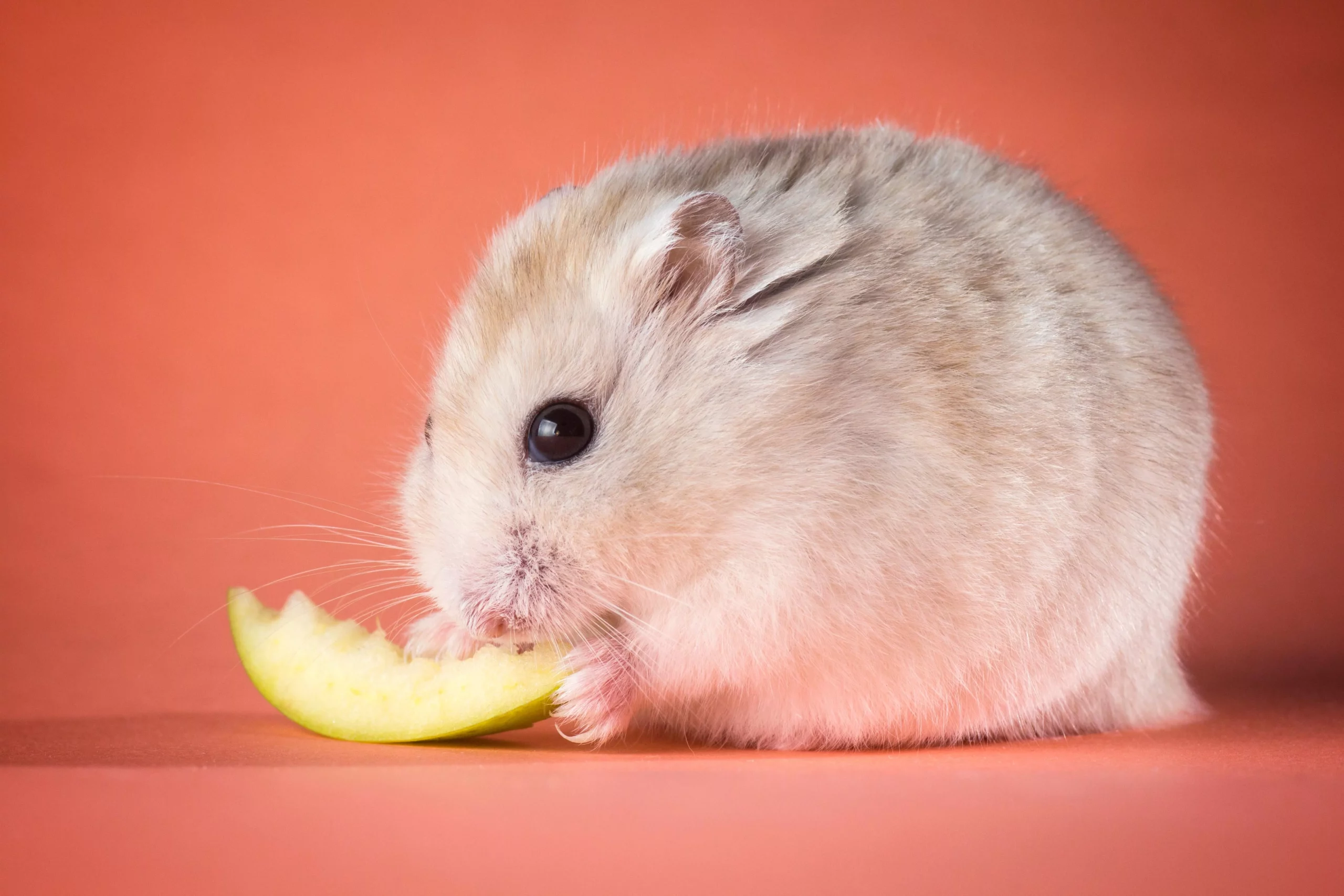
Fresh foods are where most owners have questions, and this sub-topic is where most of them are answered. It covers vegetables, leafy greens, herbs and fruits. For each food, it looks at whether it’s safe, which parts to avoid, how big a serving should be and how often to offer it. It also explains why sugary fruit deserves extra caution for dwarf hamsters.
Building a sensible everyday diet
The staple
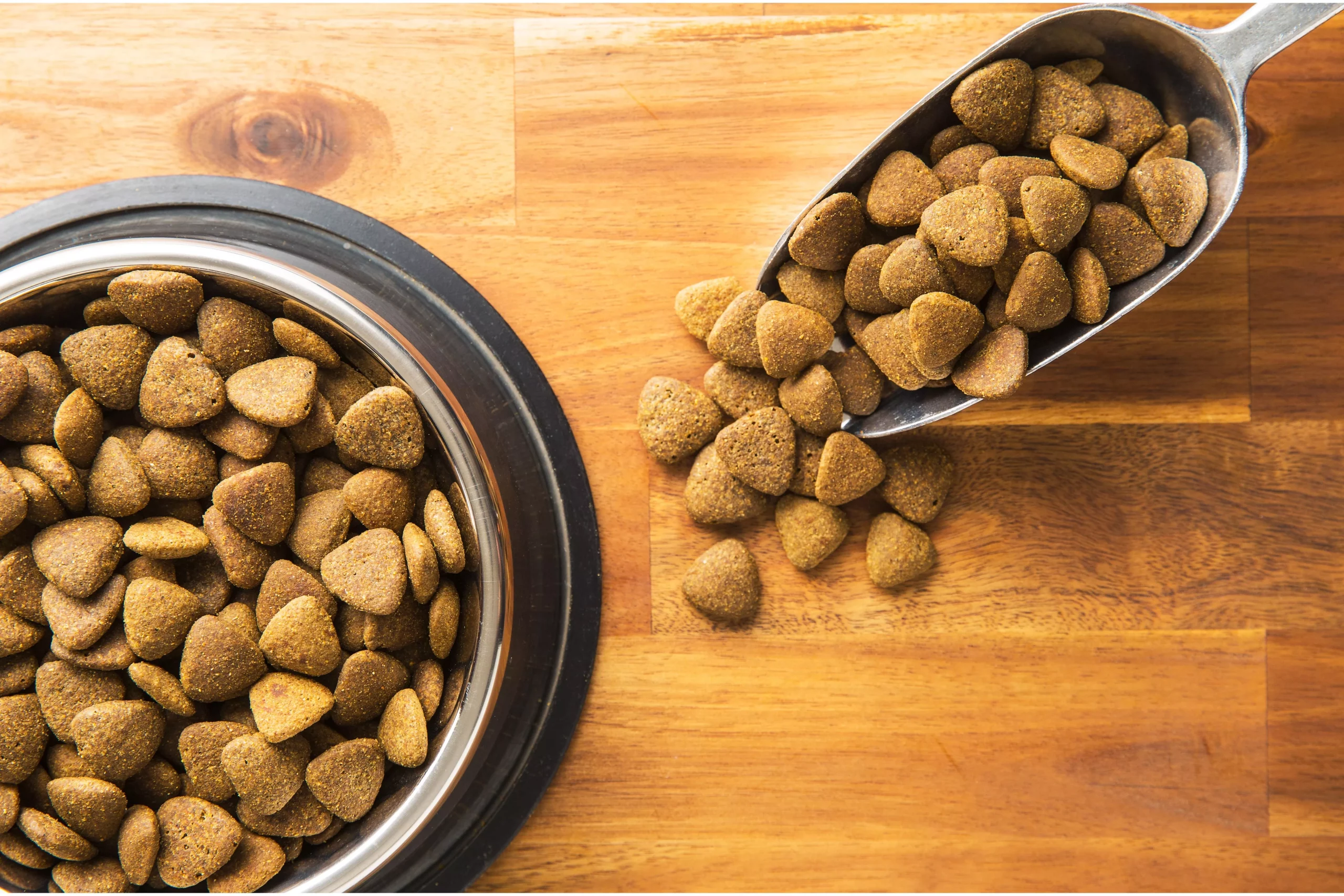
Most of a pet hamster’s diet should come from a good-quality hamster food made for the species you keep. Fresh foods and treats are extras that add variety and enrichment. They shouldn’t replace the main diet.
Fresh extras in small amounts
Hamsters are small, so a serving of fresh food is small too. Think of a piece about the size of your fingertip for a Syrian, and less for a dwarf. Remove uneaten fresh food before it spoils, and check the hoard in the nest, because hamsters often stash food for later.
Introducing a new food
Offer one new food at a time in a very small amount. Watch the droppings and your hamster’s behavior over the next day or two before offering it again. Wash produce well and serve it plain, without salt, sugar, oil, butter or seasoning.
Foods to be cautious with
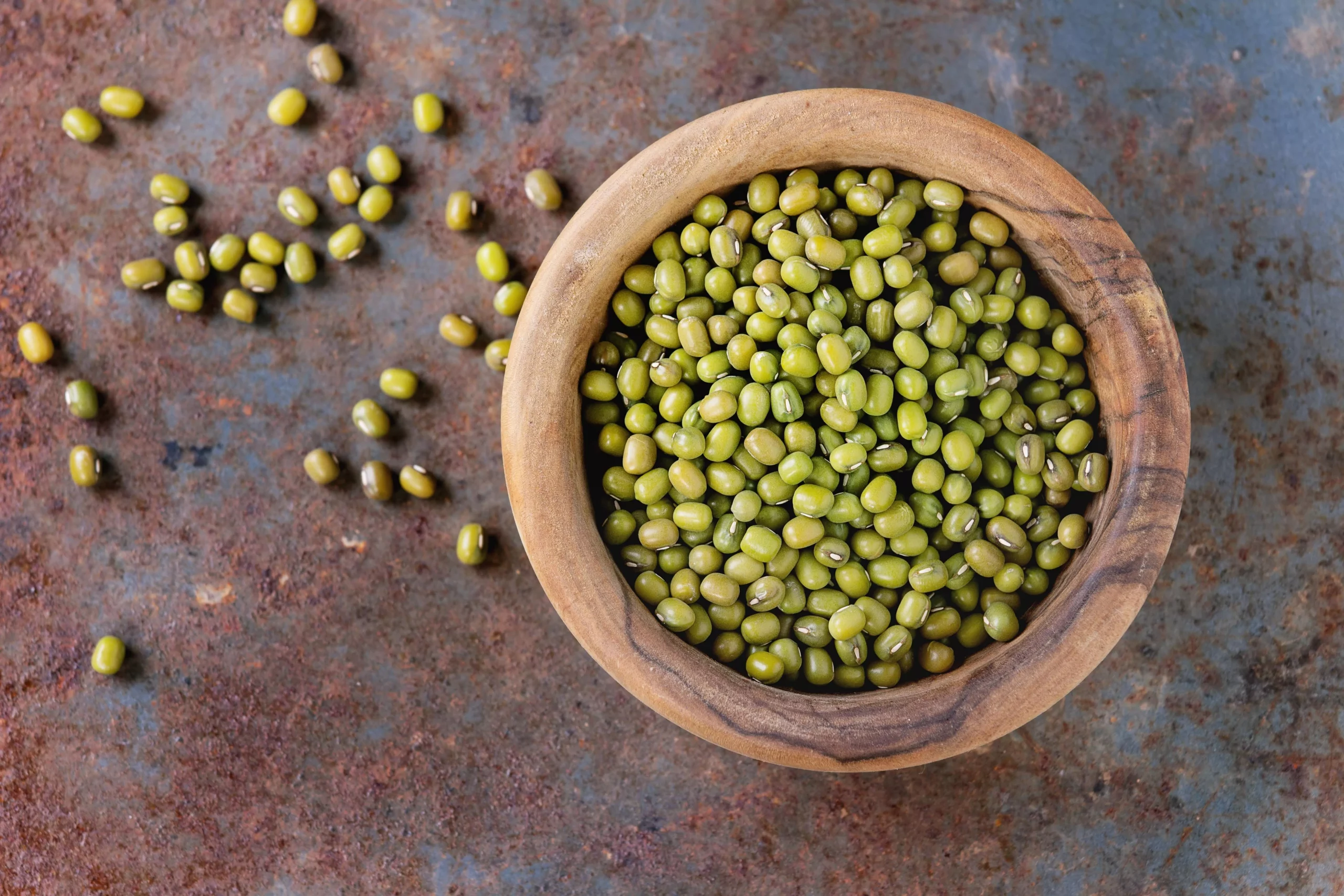
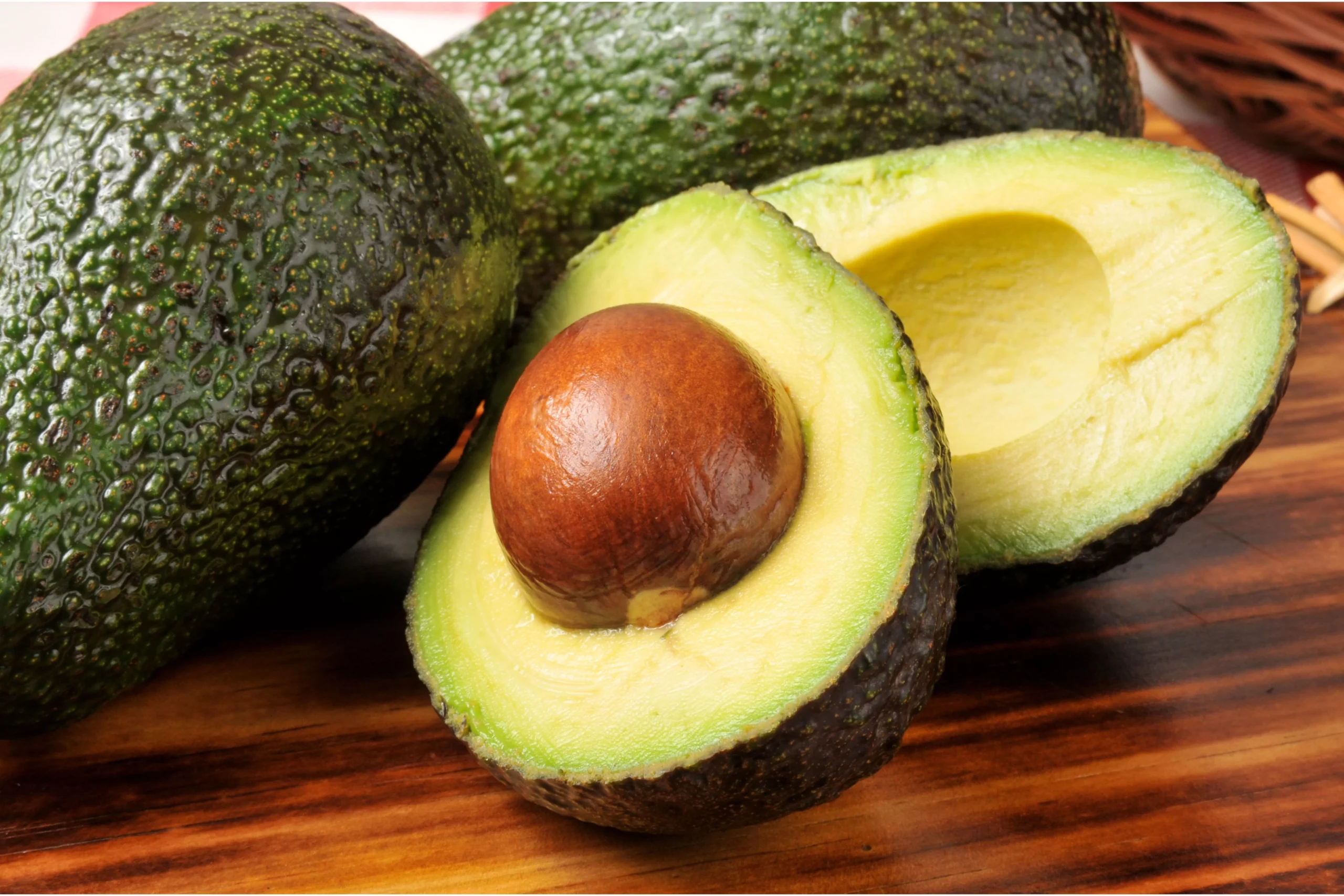
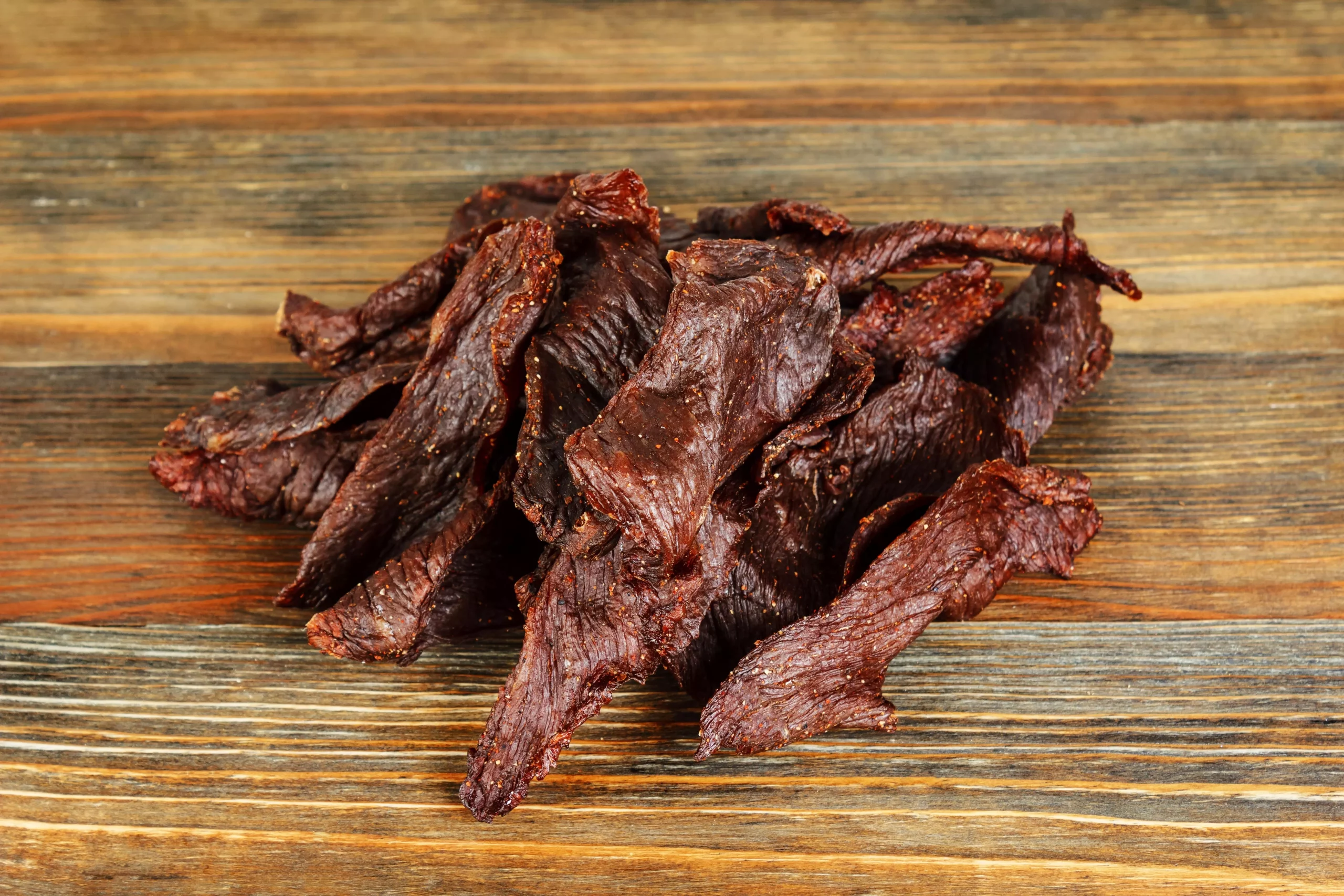
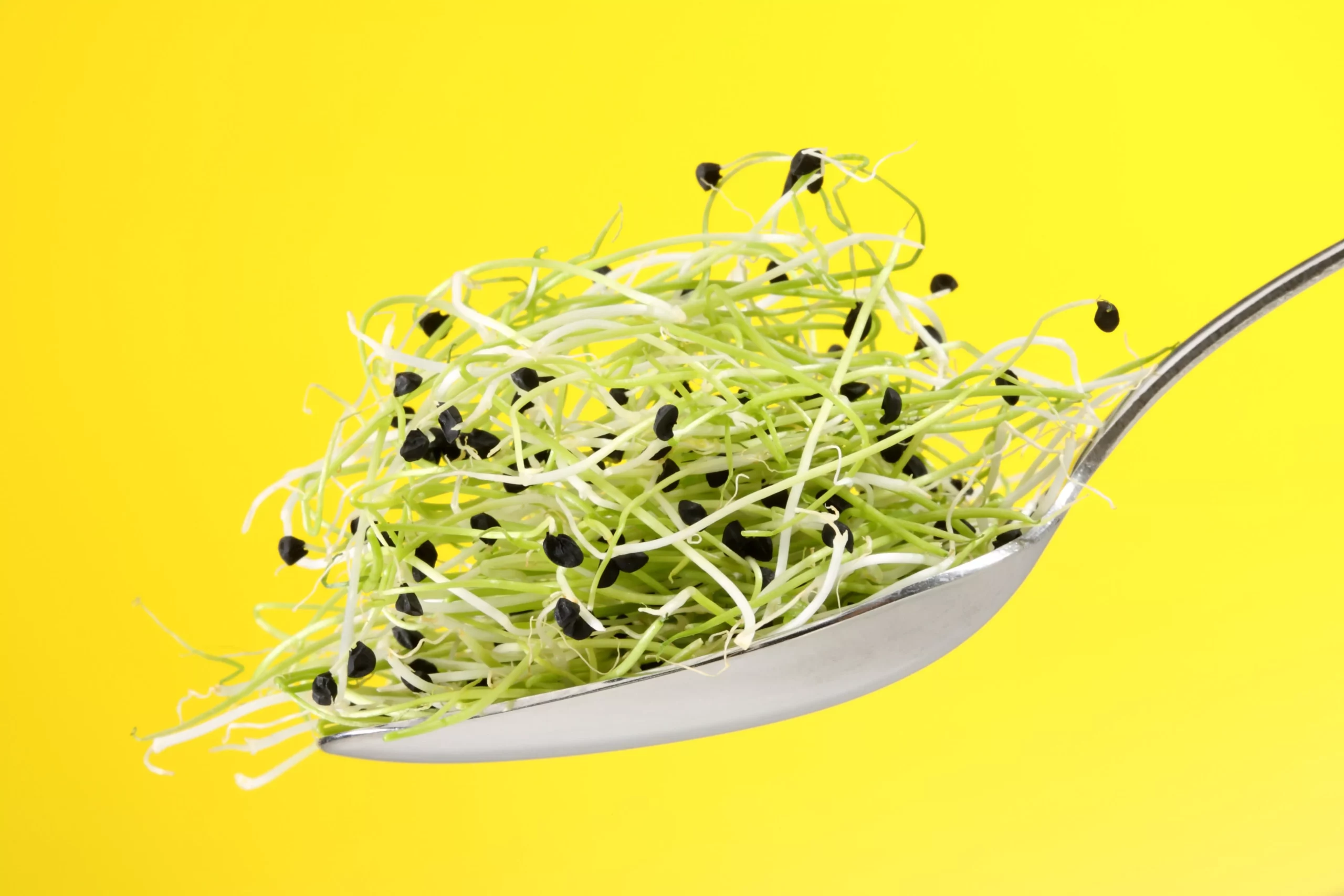
Some foods are commonly advised against for hamsters. These include chocolate, sugary or salty snacks, heavily processed and cured meats, onion, garlic, raw beans, and fruit seeds and pits. Citrus and very acidic foods are also generally avoided. Always check before offering something new, and when the advice is unclear, the safest answer is not to offer it.
When food questions become health questions
A hamster that suddenly stops eating, drops weight, develops diarrhea or has a wet tail area needs an exotic-animal veterinarian, not a change of menu. The guides in this section are general information, not veterinary advice. The Health section explains which signs to watch for.