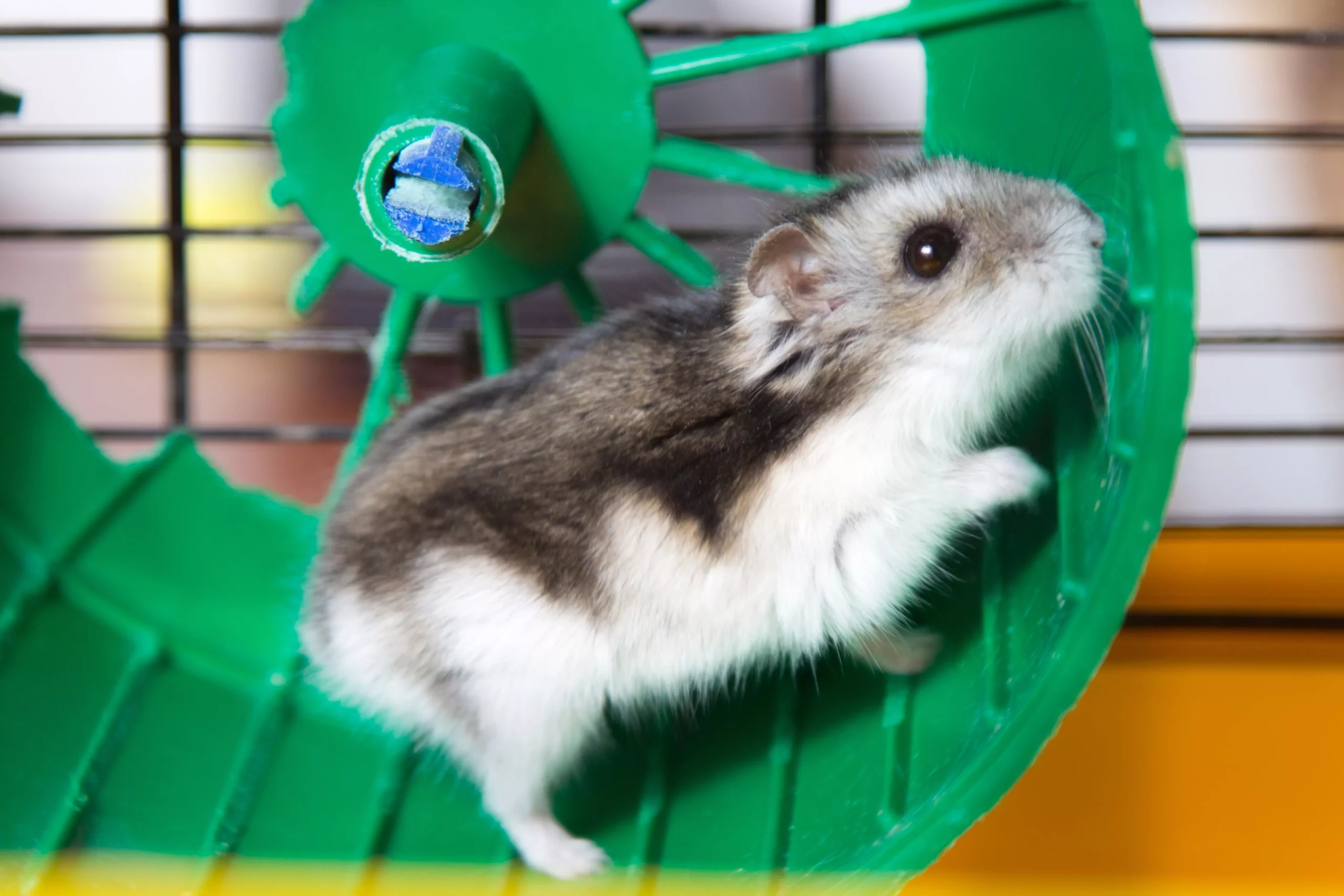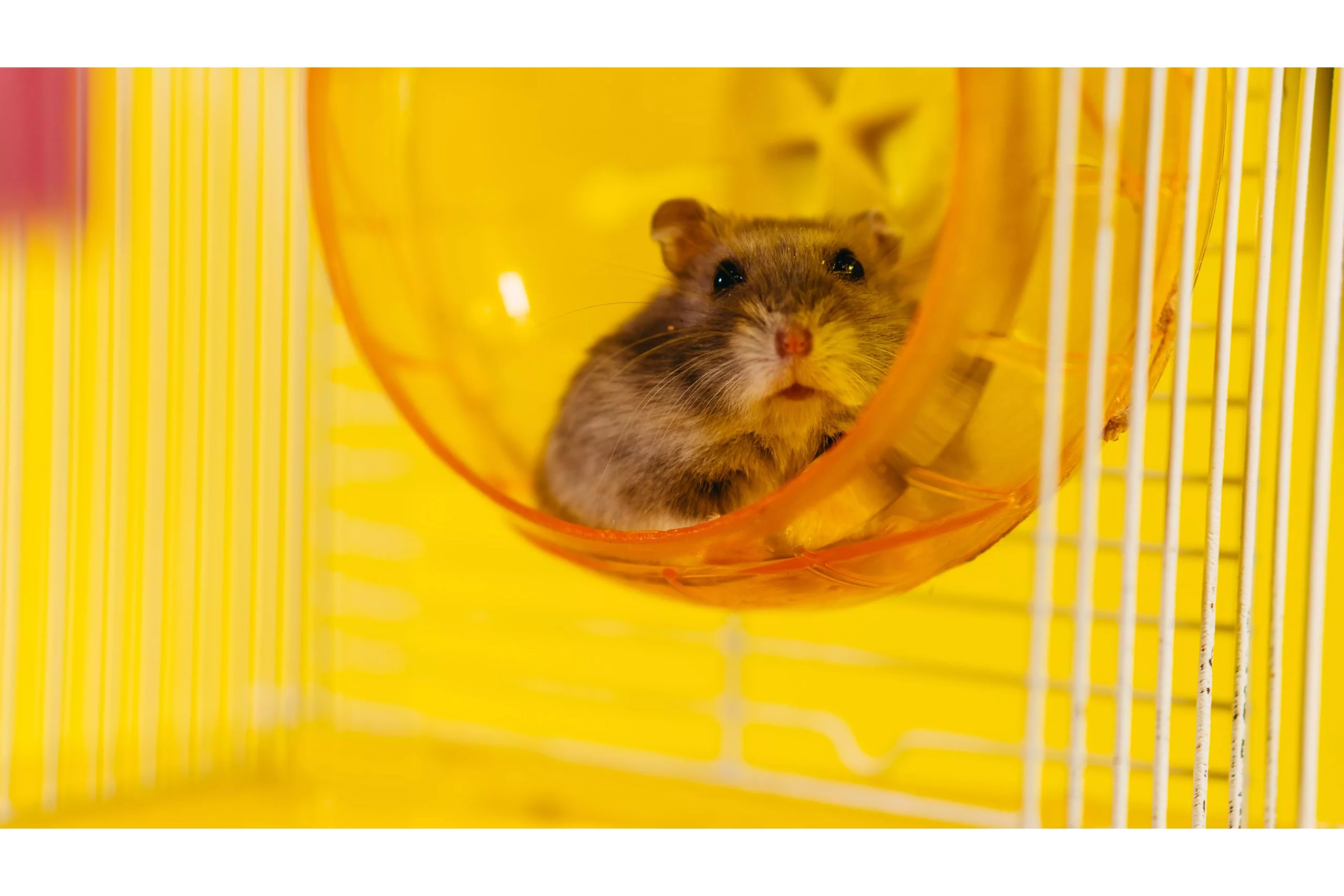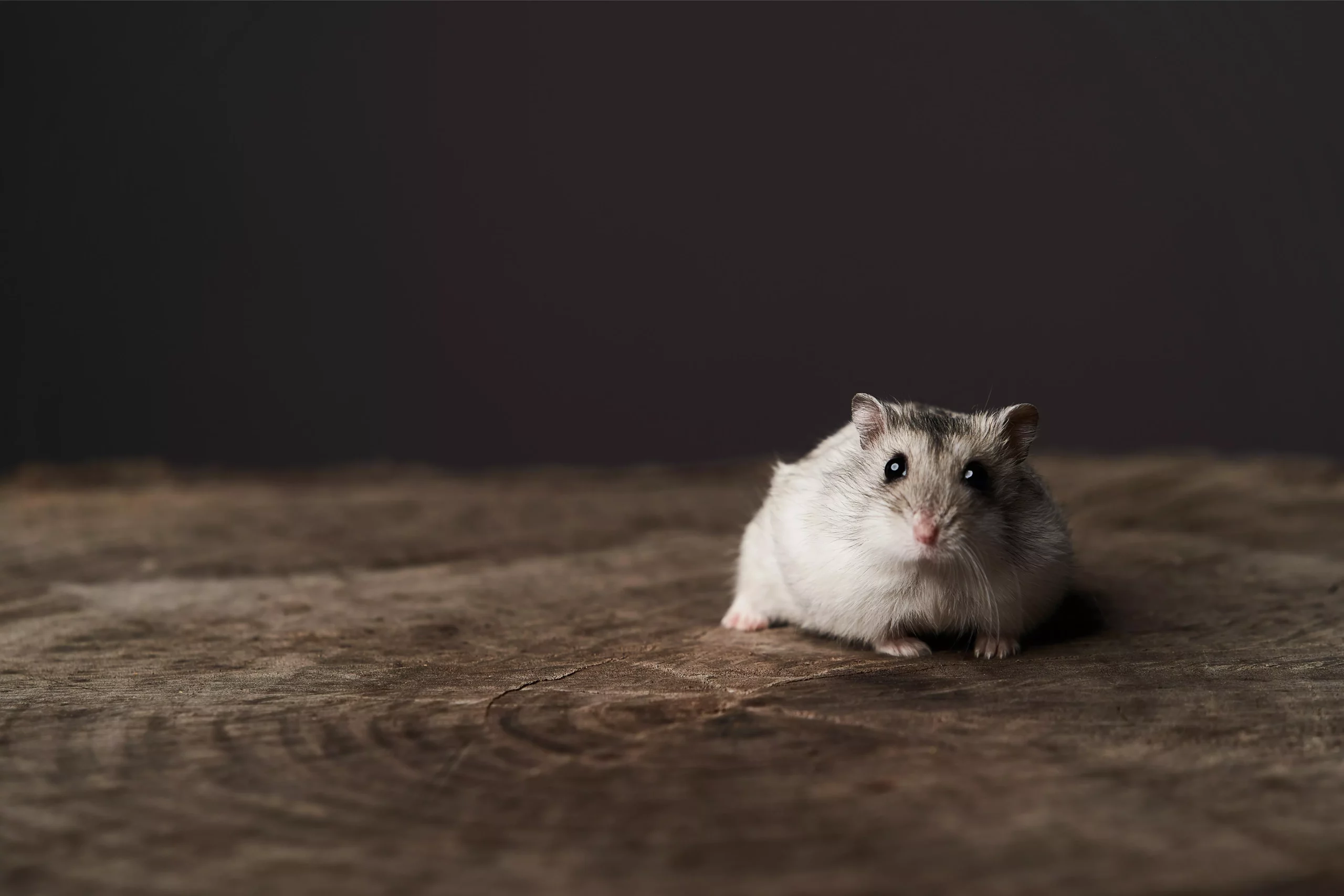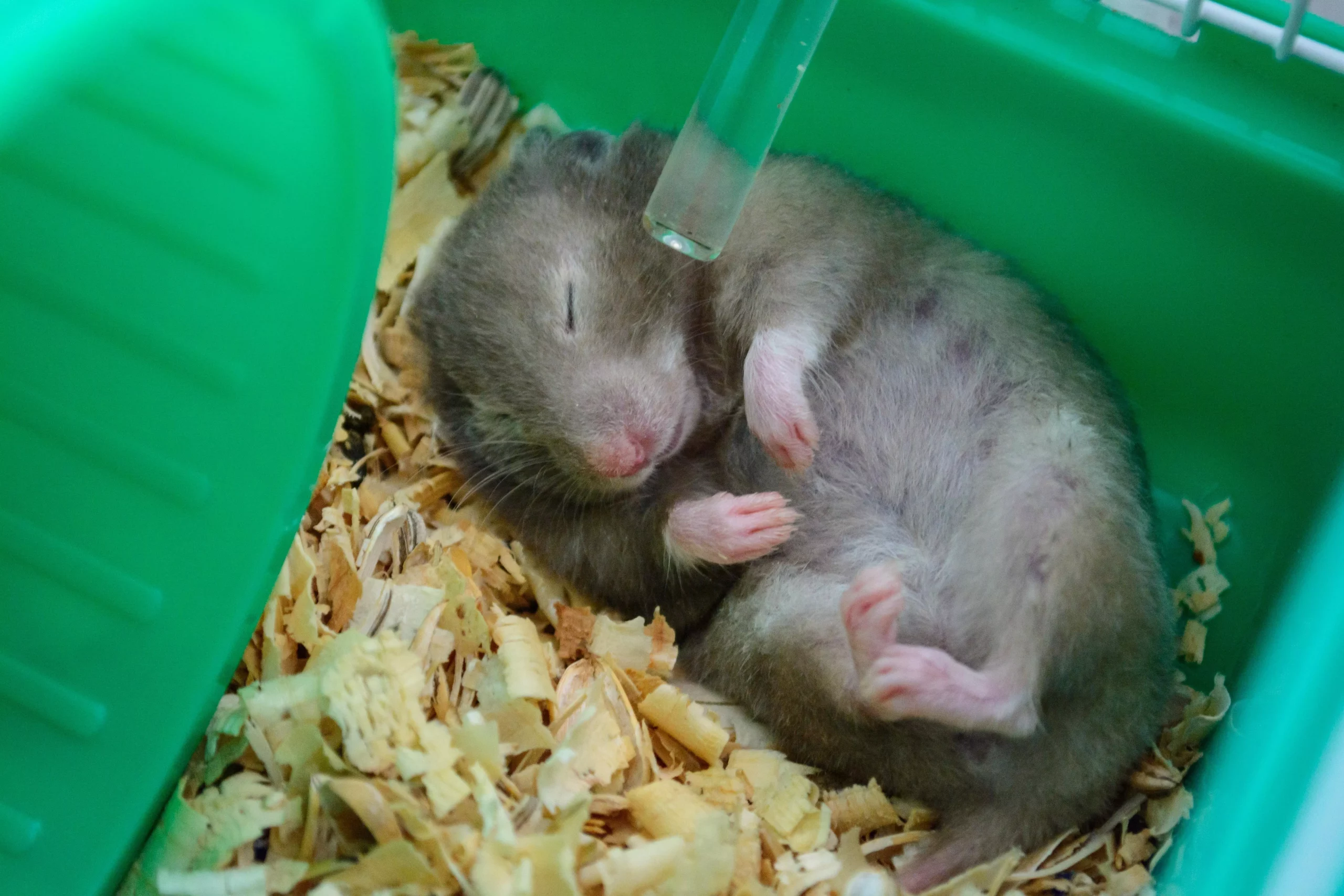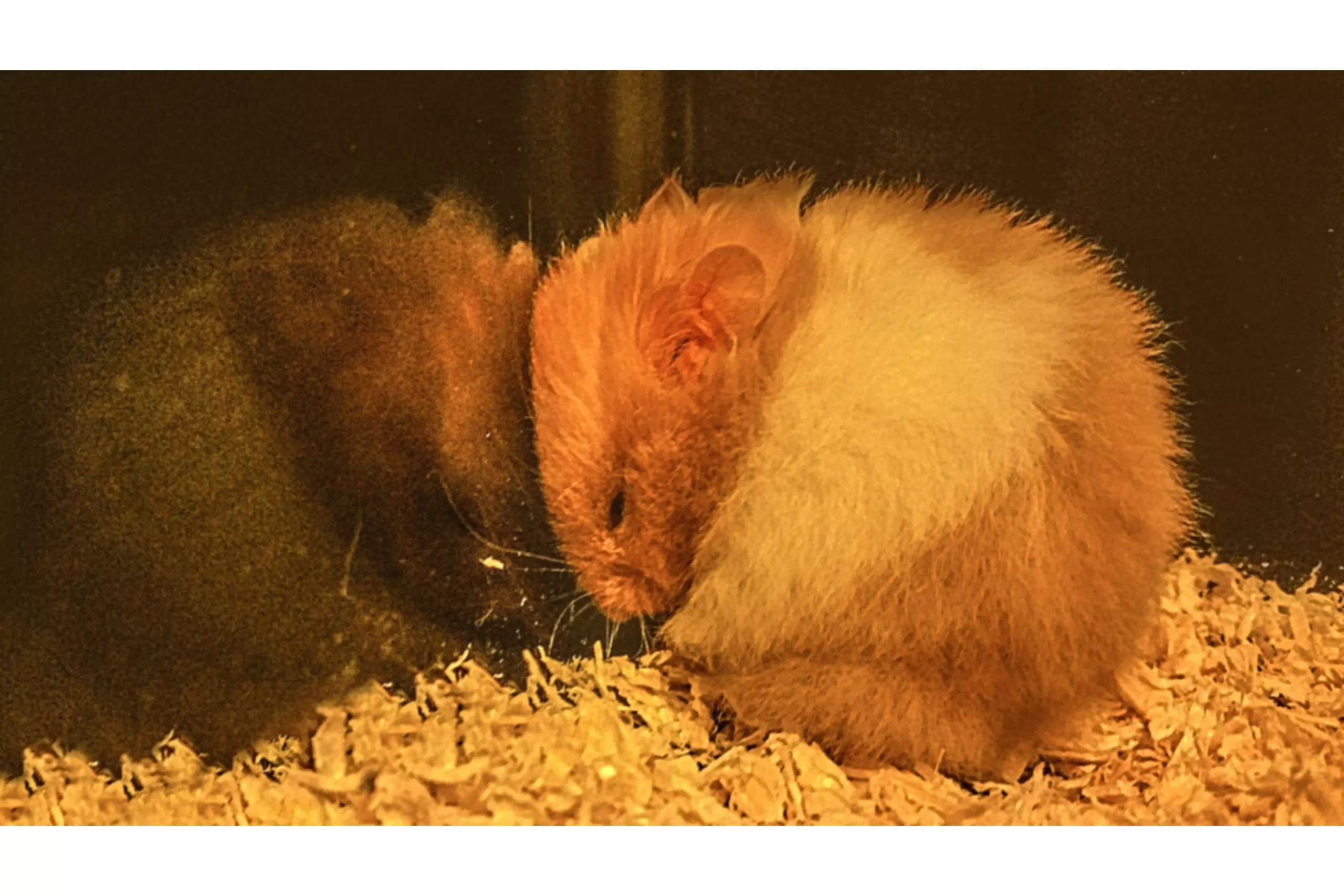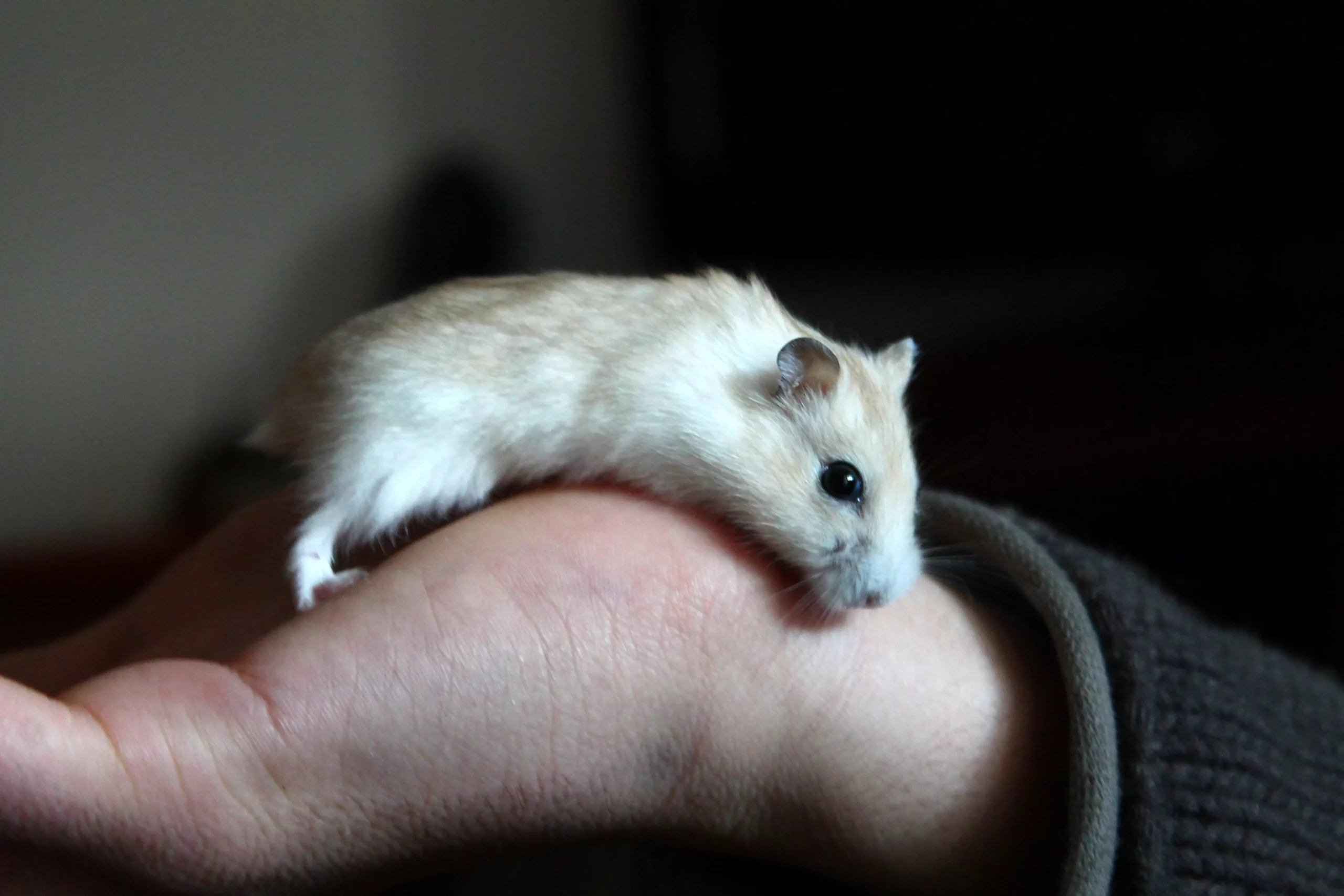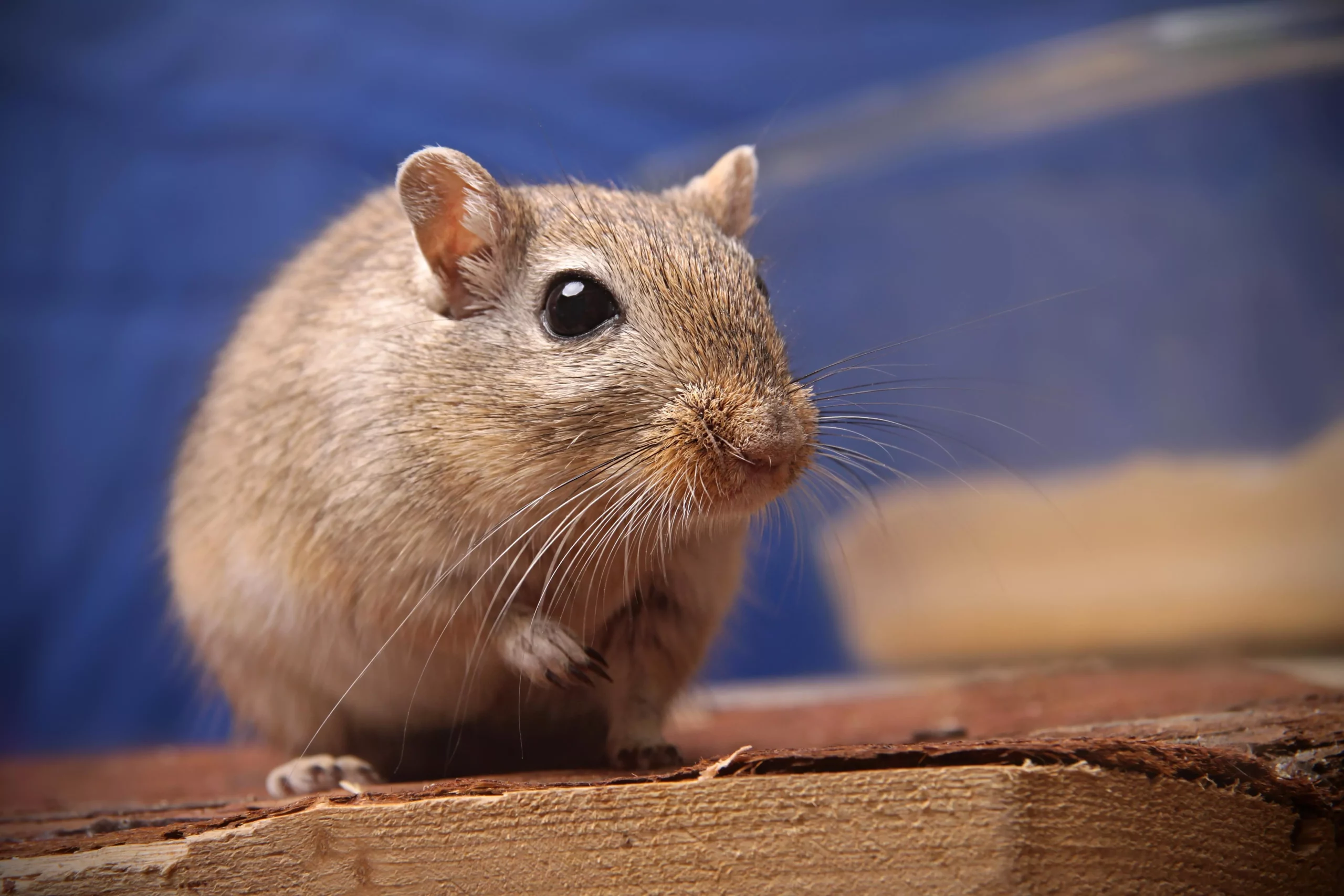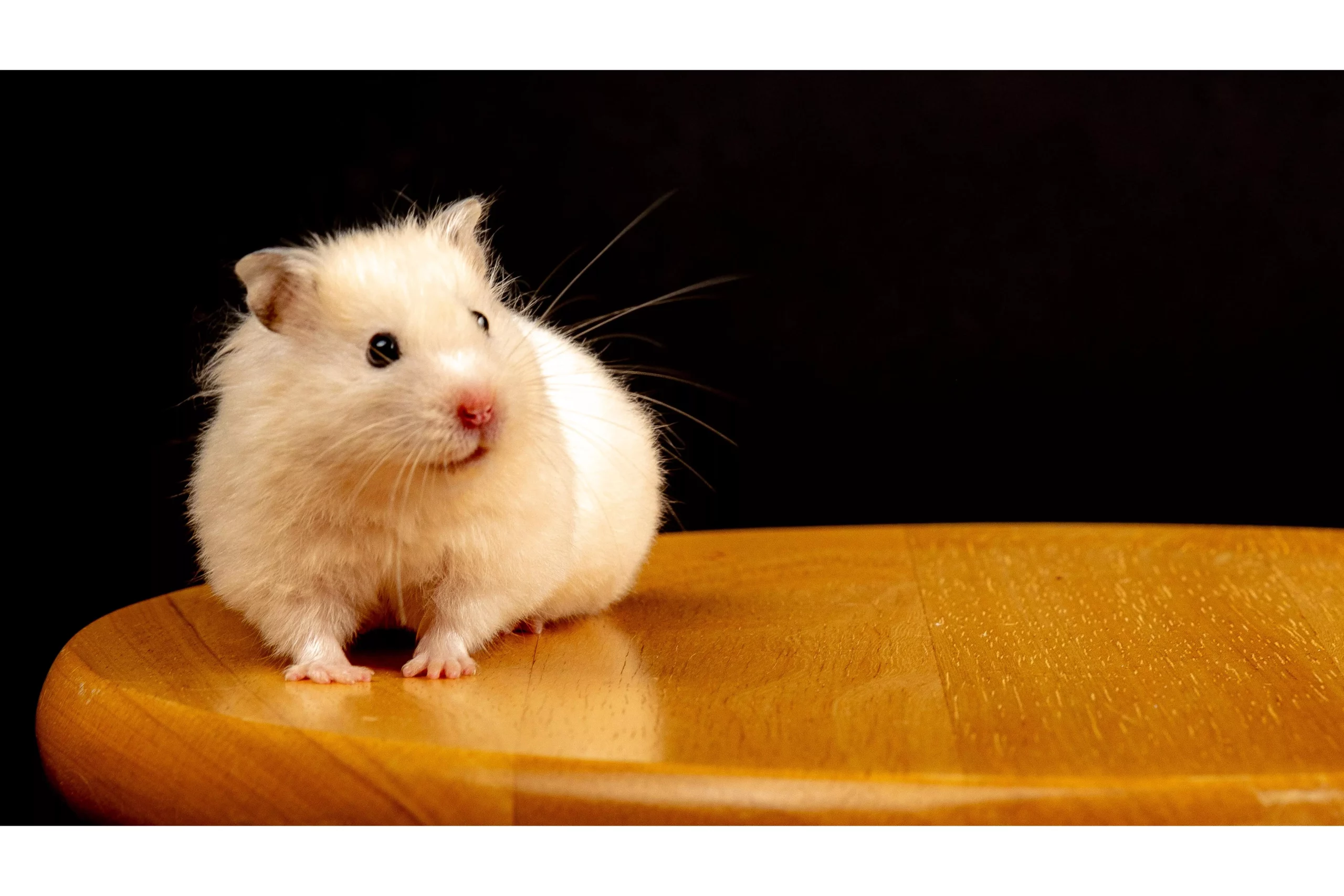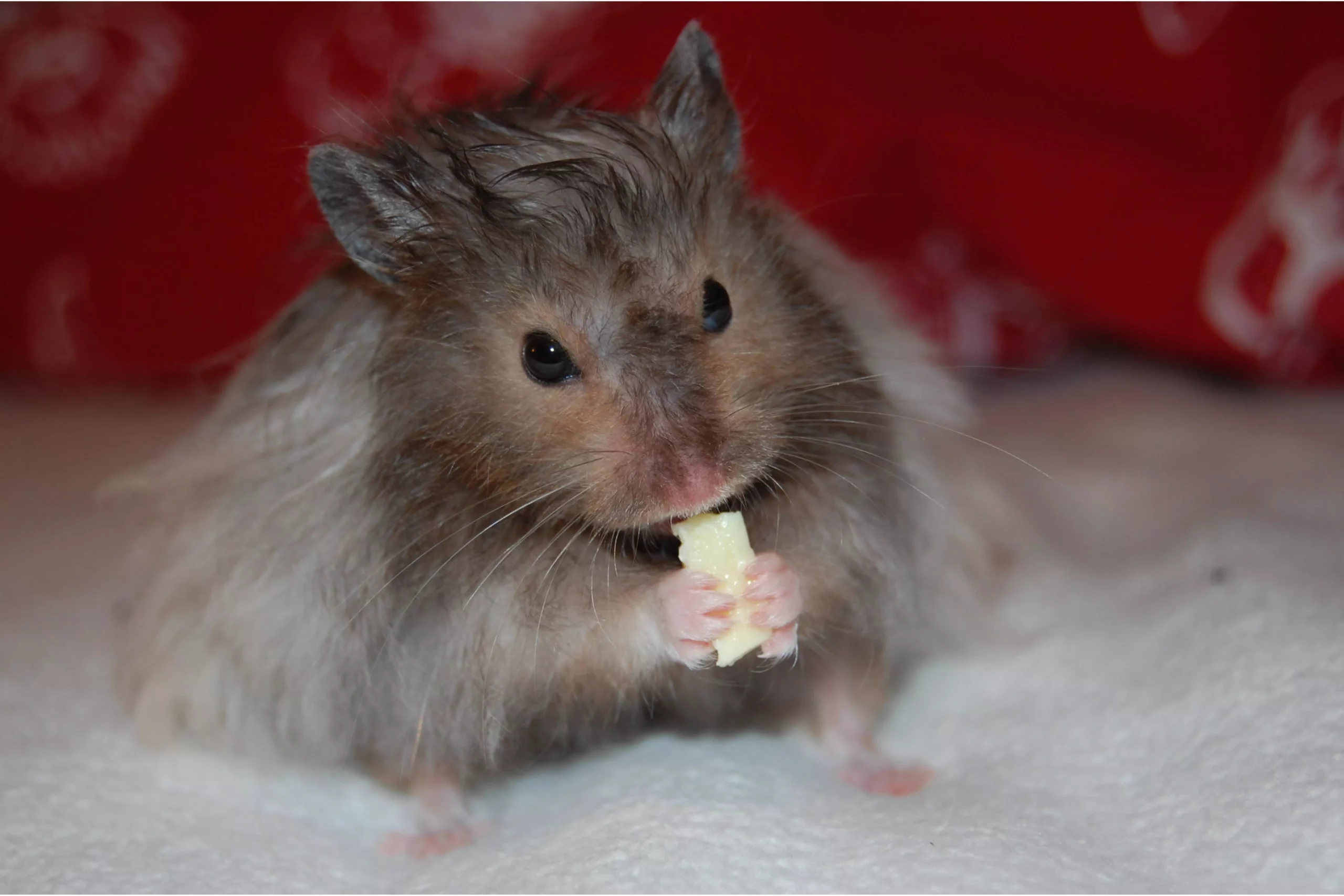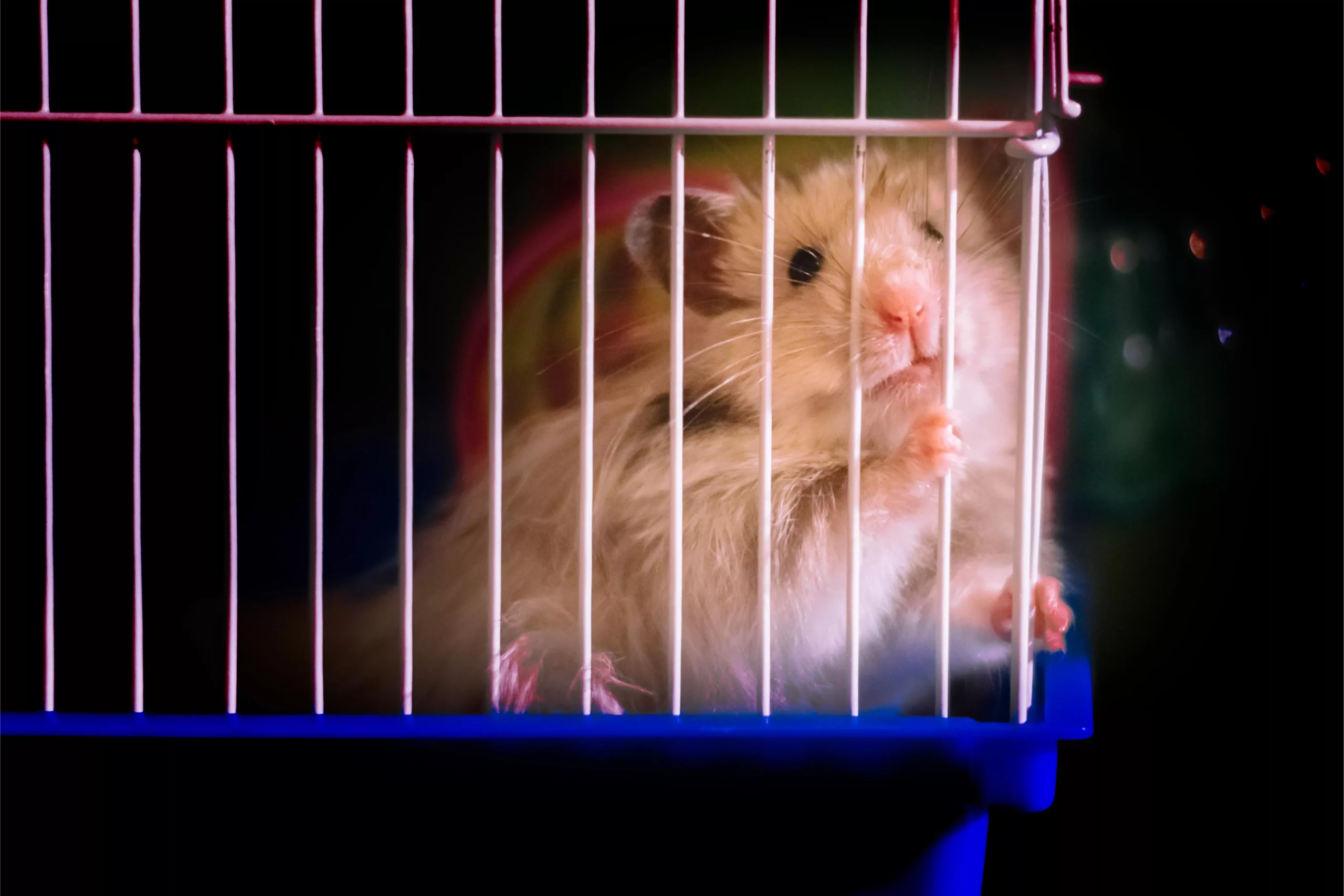

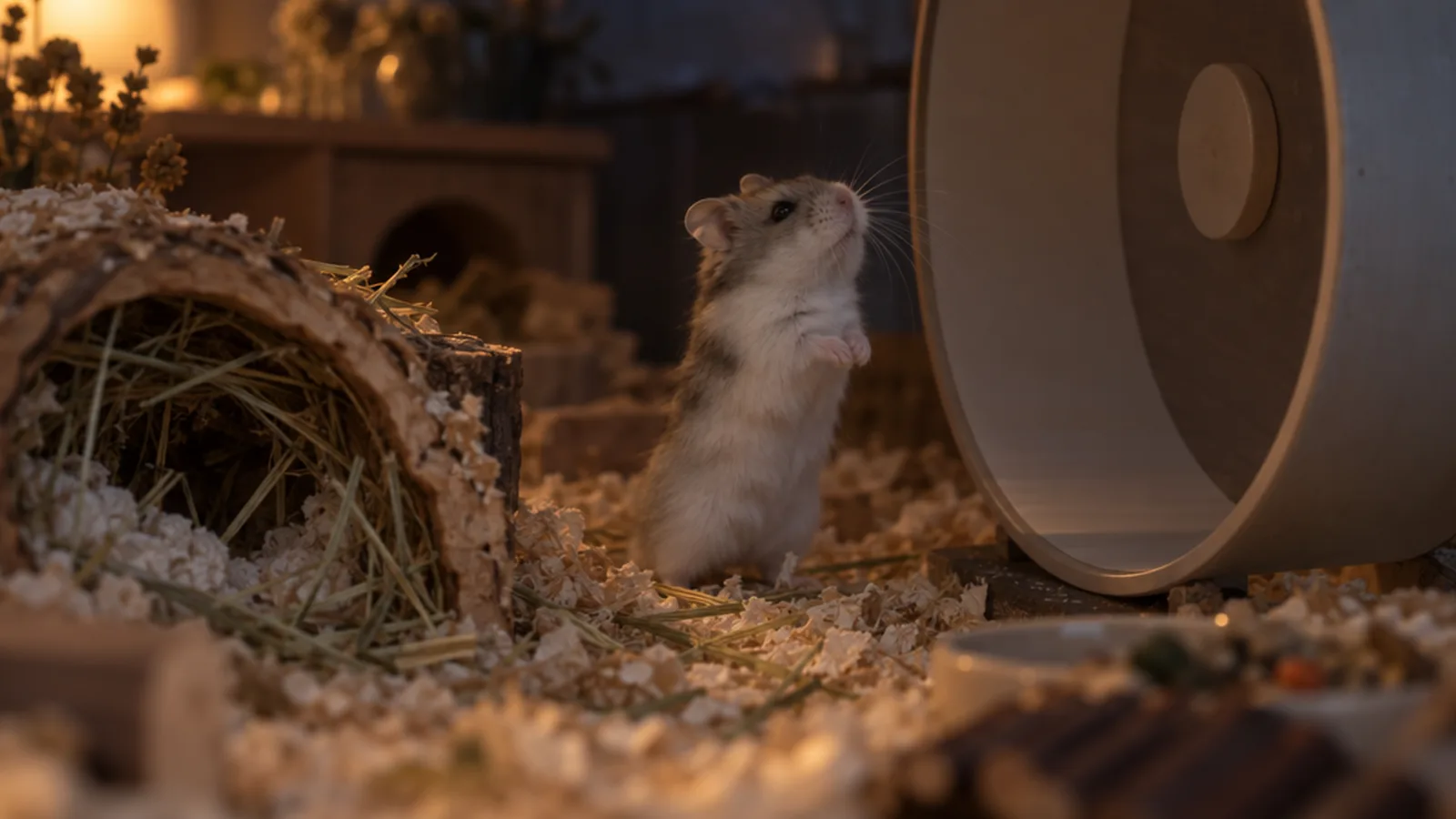
Hamsters can look like quiet little animals, but there is a lot going on behind those whiskers. This section explains what hamsters do and why, from the sounds they make and the hours they keep to the ways they play, explore and come to trust the people around them. Most behavior questions start with one puzzling moment, such as a sudden squeak, a backflip, food spat out of a cheek pouch, or a hamster that won’t leave one corner. The guides here explain what that moment usually means and what to watch for next.
The main sub-topics
The guides in this section are grouped under three main sub-topics, with a few general behavior questions alongside them.
Sounds
Hamsters are mostly quiet, so any noise tends to grab an owner’s attention. This sub-topic covers squeaks, chattering, hissing, screaming and night-time noise. It explains what each sound usually signals and when it points to fear, pain or a problem in the enclosure. It also covers whether hamsters can cry, and how to tell a startled hamster from one that is suffering.
Sleep and night
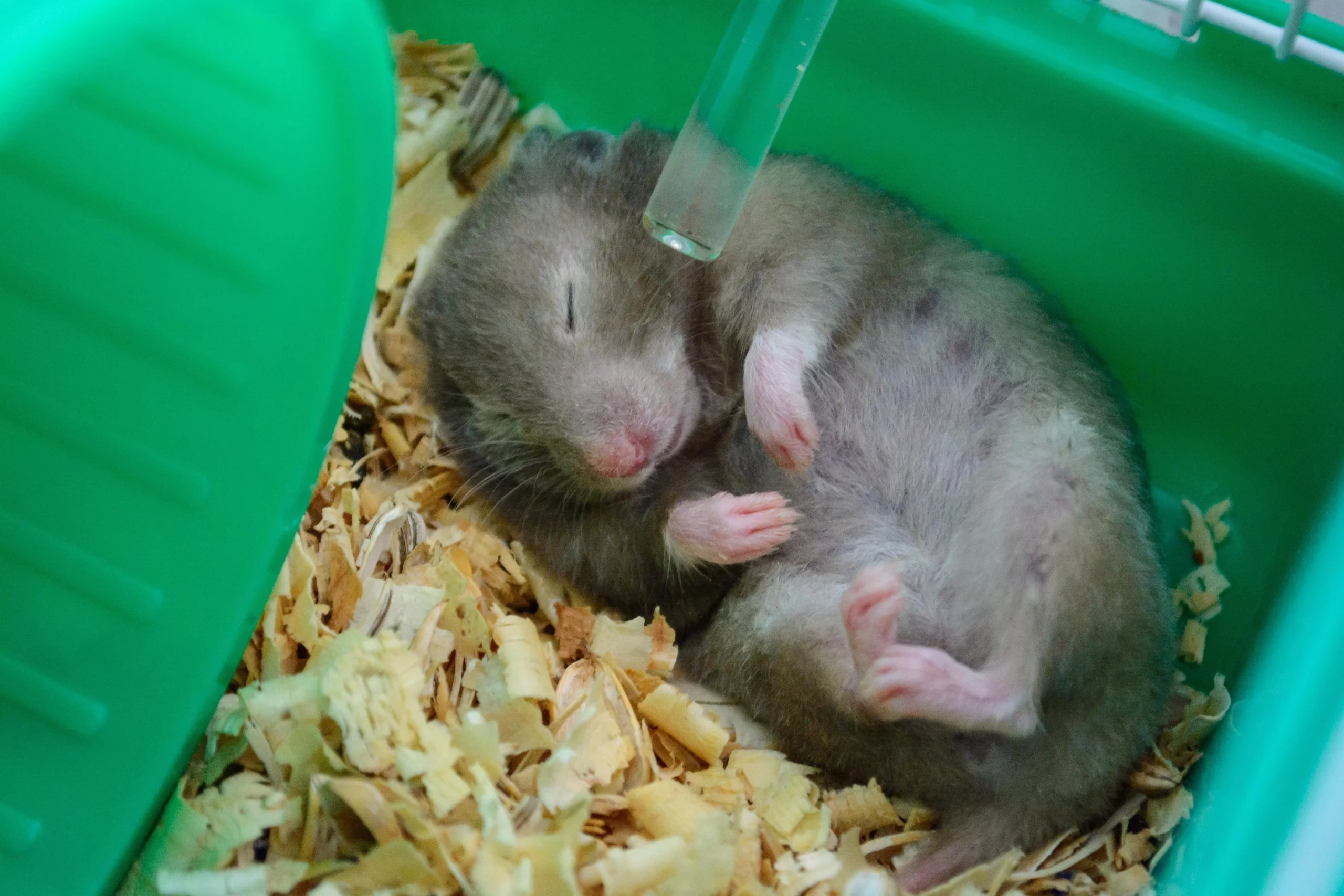
Pet hamsters are most active around dusk, through the night and toward dawn, and they sleep for long stretches during the day. This sub-topic covers sleeping habits, snoring and dreaming, a hamster that stops coming out at night, and when extra sleep deserves a closer look.
Play and affection
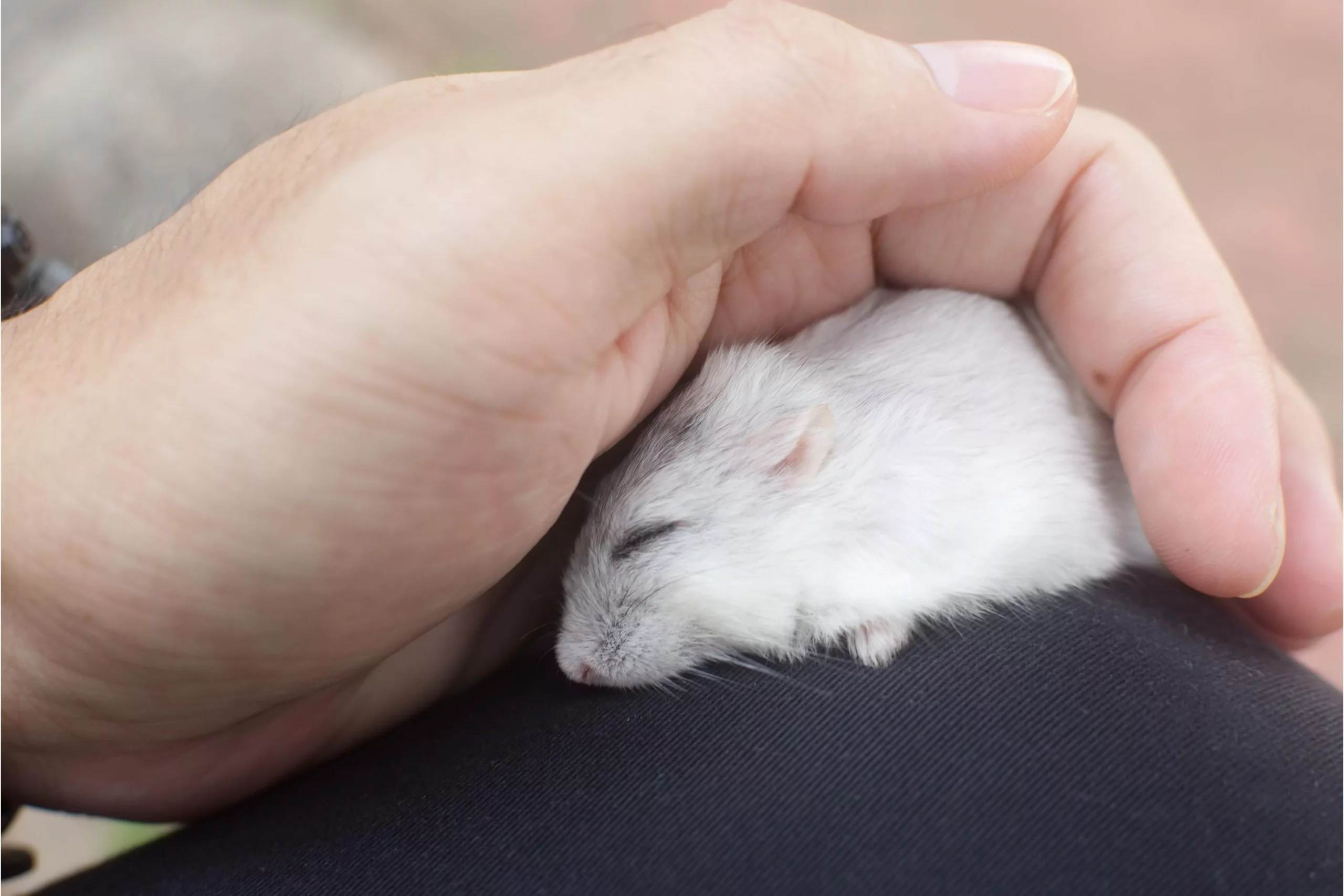
Hamsters don’t show affection the way dogs or cats do, but many learn to trust people who handle them gently and consistently. This sub-topic explains licking, backflips, running in circles, belly rubs and whether hamsters play together. It also covers patient ways to build a bond with a shy hamster.
Reading behavior in context
A single behavior rarely means one thing on its own. The same squeak can mean surprise in one hamster and discomfort in another, so context matters.
Know your hamster’s normal
The most useful thing an owner can learn is what is normal for their own hamster. Notice when it usually wakes, how much it eats, how it moves and how it reacts to your hand. A change from that baseline tells you far more than any general rule.
Check the enclosure first
Many odd behaviors, such as bar chewing, constant pacing or escape attempts, are linked to the hamster’s surroundings. Before assuming something is wrong with the hamster, check the enclosure size, bedding depth, hiding places, wheel size and the noise and light around the cage.
Species and age make a difference
Syrian hamsters are solitary as adults and should live alone. Some dwarf species are sometimes kept in pairs, but fights can still break out. Young hamsters are often jumpy and wary, while seniors tend to slow down, sleep more and move more carefully.
When behavior becomes a health question
Some changes that look like behavior are really health problems. These include sudden lethargy, a hamster that stops eating or drinking, a head tilt, circling with loss of balance, or hiding along with weight loss. The guides here are general information, not veterinary advice. If your hamster has changed suddenly or seems unwell, please contact an exotic-animal veterinarian, and see the Health section for help with what to observe.